What Is Radiology AI � And Why It Matters for Imaging Centers
Reviewed by board-certified radiologists
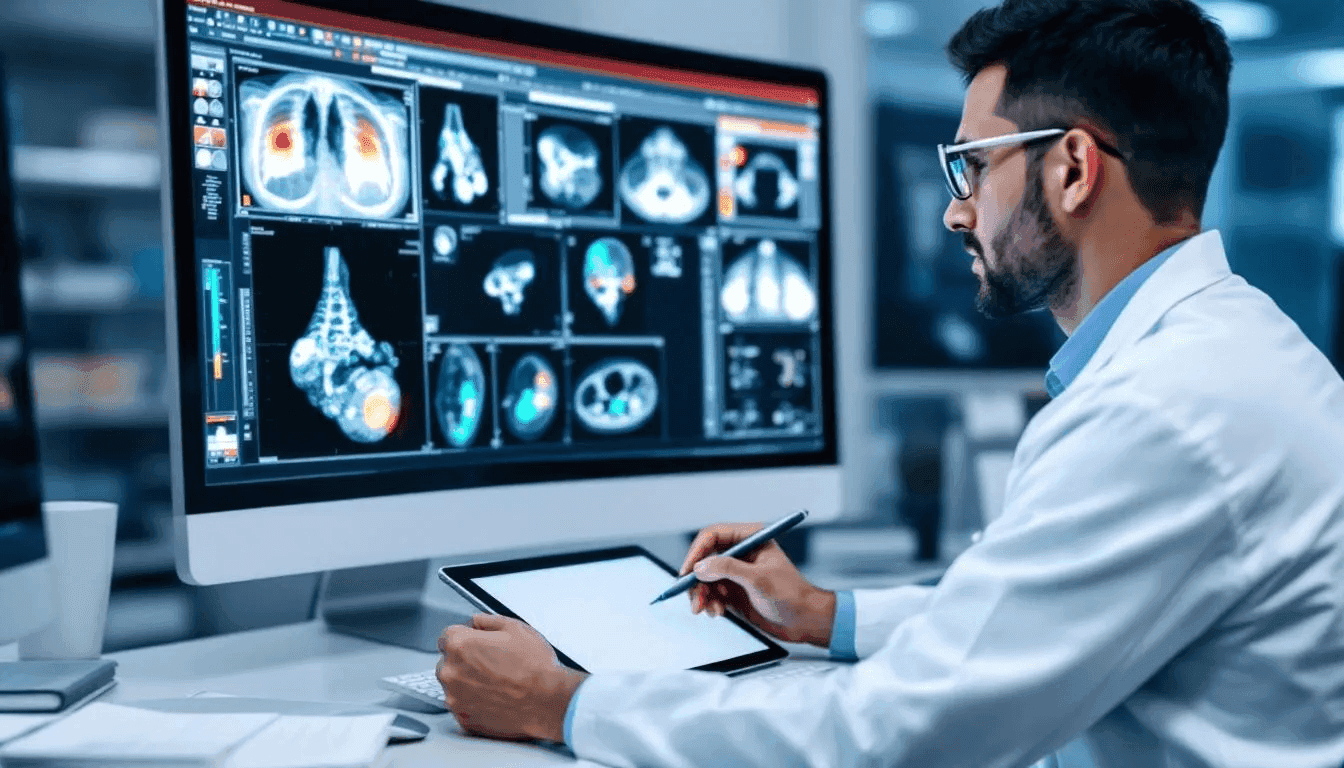
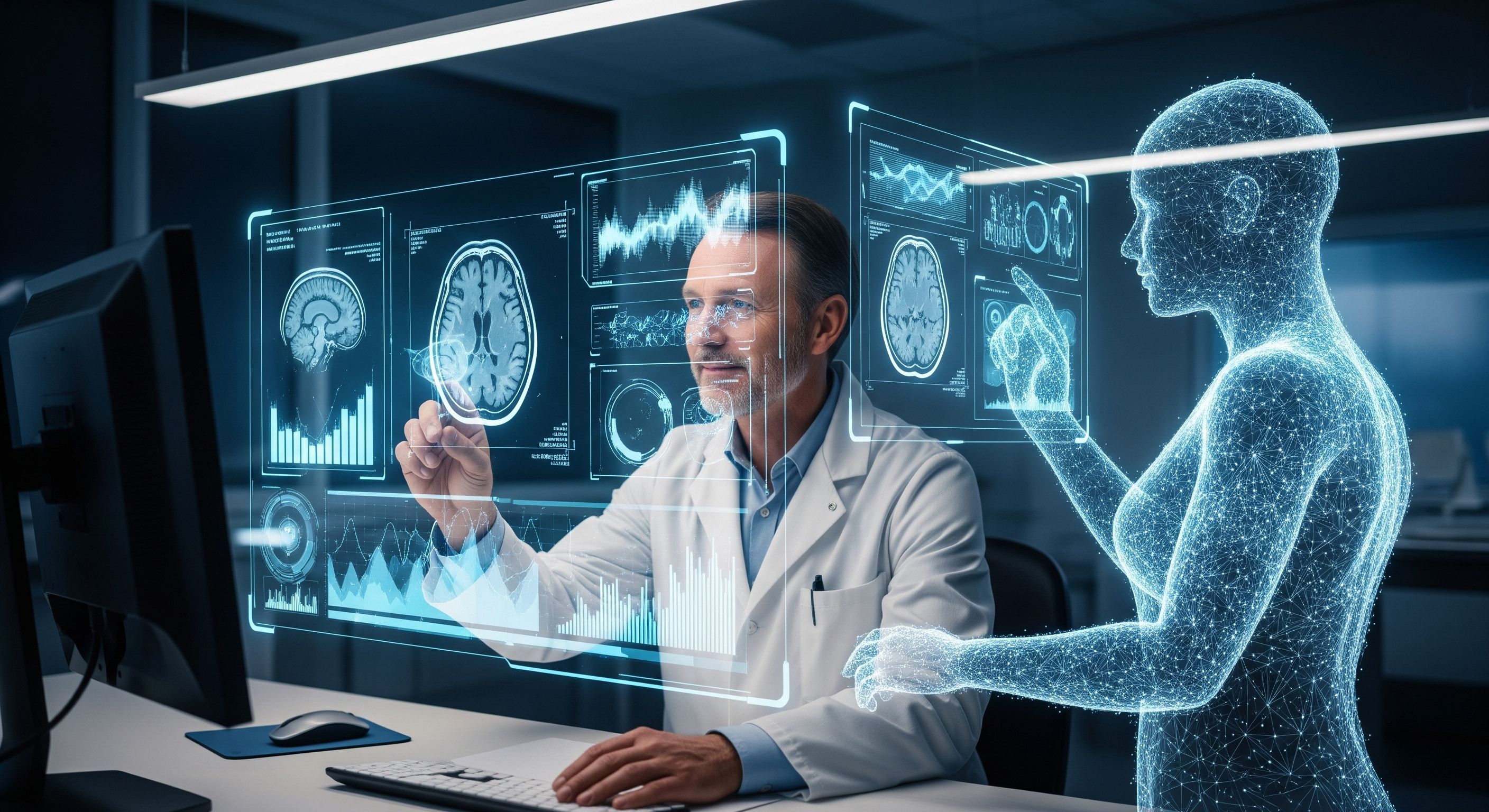
The aviation AI platform metaphor in AI is deliberate. A AI platform doesn't fly the plane independently — they assist the pilot, manage systems, handle checklists, and provide a second set of eyes. A radiology AI AI platform works the same way: it assists the radiologist with finding flagging, structure measurement, report generation, and workflow management — while the radiologist maintains full clinical authority and accountability.
What a Radiology AI platform Actually Does
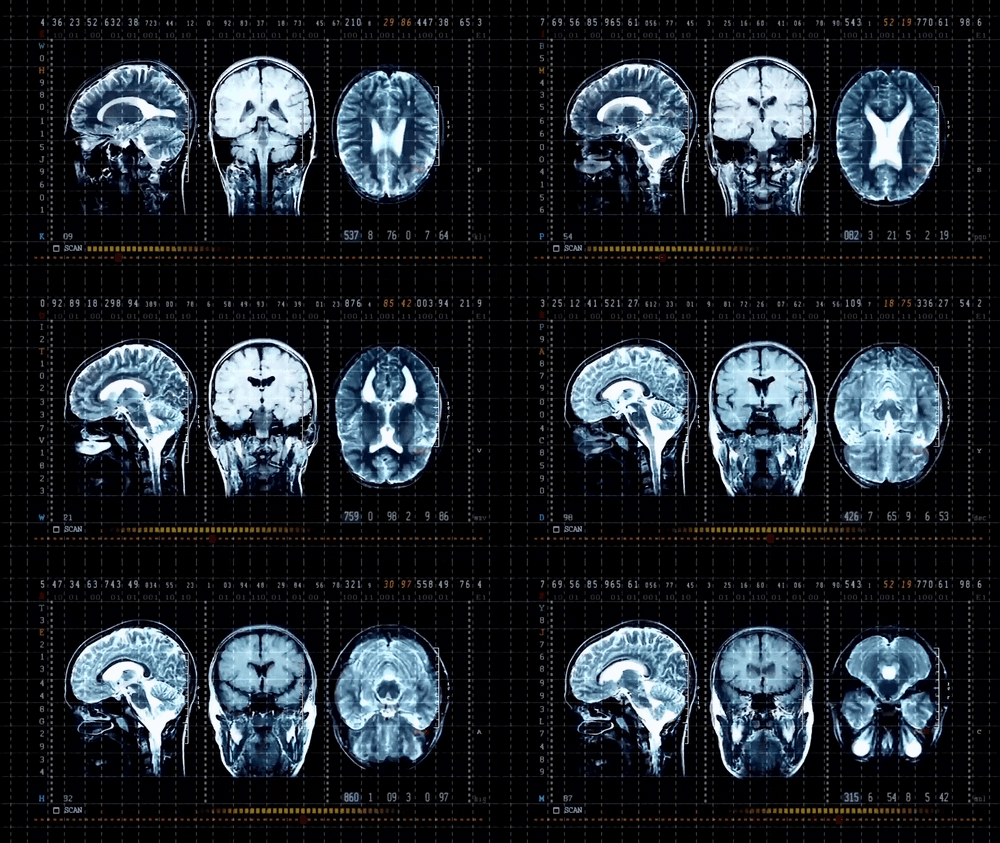
- Pre-screening and finding flagging: AI analyzes the imaging study before the radiologist opens it, flagging potential findings for attention. Critical findings (pneumothorax, hemorrhage, PE) are immediately highlighted and escalated.
- Measurement and quantification: AI measures lesion dimensions, calculates volumes, tracks change over time compared to prior studies, and annotates key structures — all faster and more consistently than manual measurement.
- Structured report generation: Based on image analysis, the AI generates a pre-populated report template with findings organized by anatomy and severity. The radiologist reviews, edits, and signs — rather than dictating from scratch.
- Prior study comparison: AI compares current findings against historical imaging from the same patient, flagging new or worsening findings and enabling longitudinal tracking of chronic conditions.
- Worklist prioritization: AI continuously re-ranks the reading worklist based on urgency, predicted complexity, and study age — ensuring the most important studies are always at the top.
What a Natoe AI Doesn't Do
A radiology AI AI platform is not an autonomous reader. It does not make final clinical decisions, sign reports, or take liability for interpretations. This is both a practical reality (AI is not yet reliable enough for independent clinical use in general radiology) and a regulatory fact (FDA does not currently clear AI algorithms for autonomous diagnostic use in general radiology). The AI platform enhances the radiologist — it doesn't replace them.
Why Natoe AI-Powered Teleradiology Is Better Than Traditional Teleradiology
Traditional teleradiology simply connects imaging centers to remote radiologists. Natoe AI-powered teleradiology adds a structured AI layer between image acquisition and radiologist review. The result: faster reads, more consistent reports, fewer missed incidental findings, and lower per-study cost. For imaging centers evaluating teleradiology partners, AI AI platform capability should be a key evaluation criterion — not an optional feature.
Natoe AI was built from the ground up as an AI AI platform platform. Every study processed through Natoe AI benefits from pre-screening, AI-assisted measurement, and structured report generation before the reading radiologist opens the case.