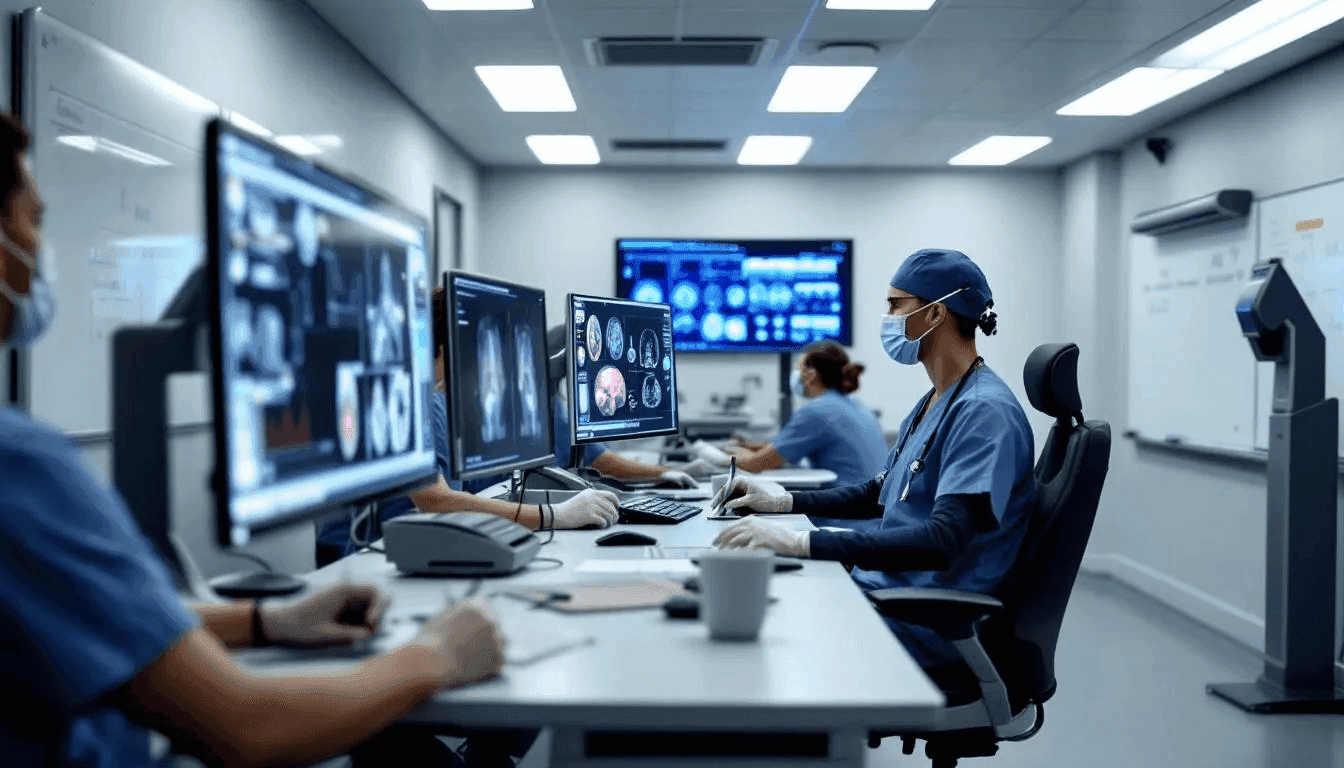
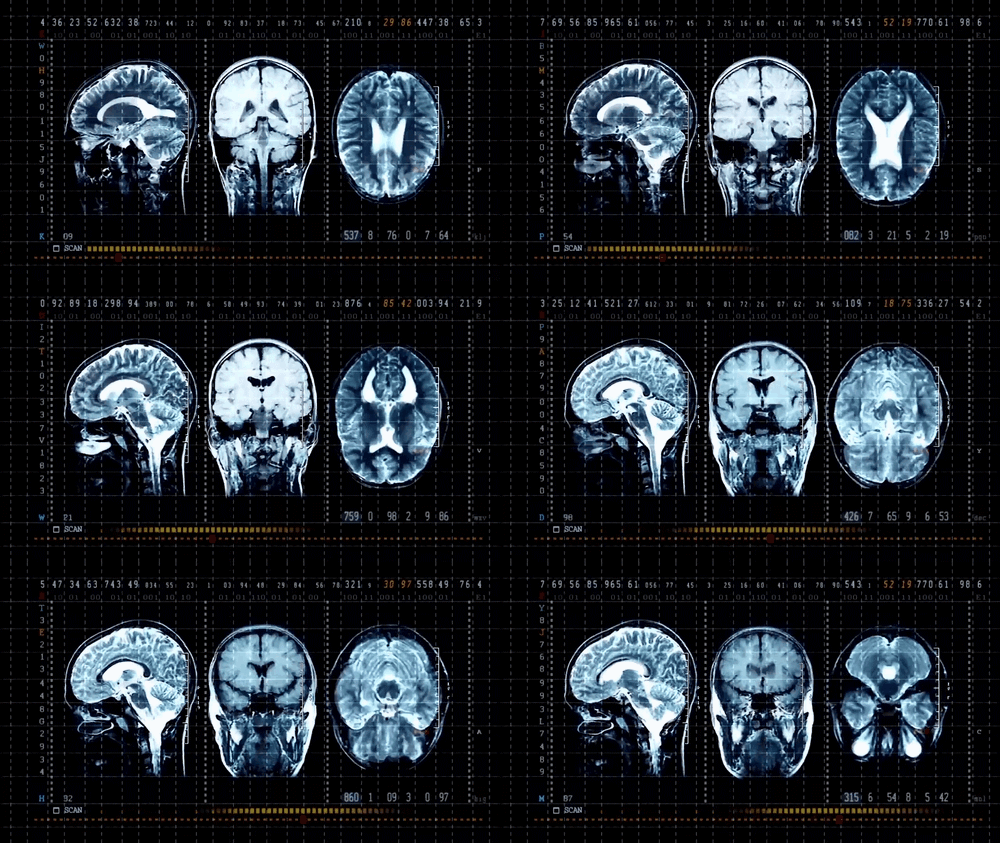
How Radiology AI Is Revolutionizing Diagnostic Imaging in 2026
Reviewed by board-certified radiologists
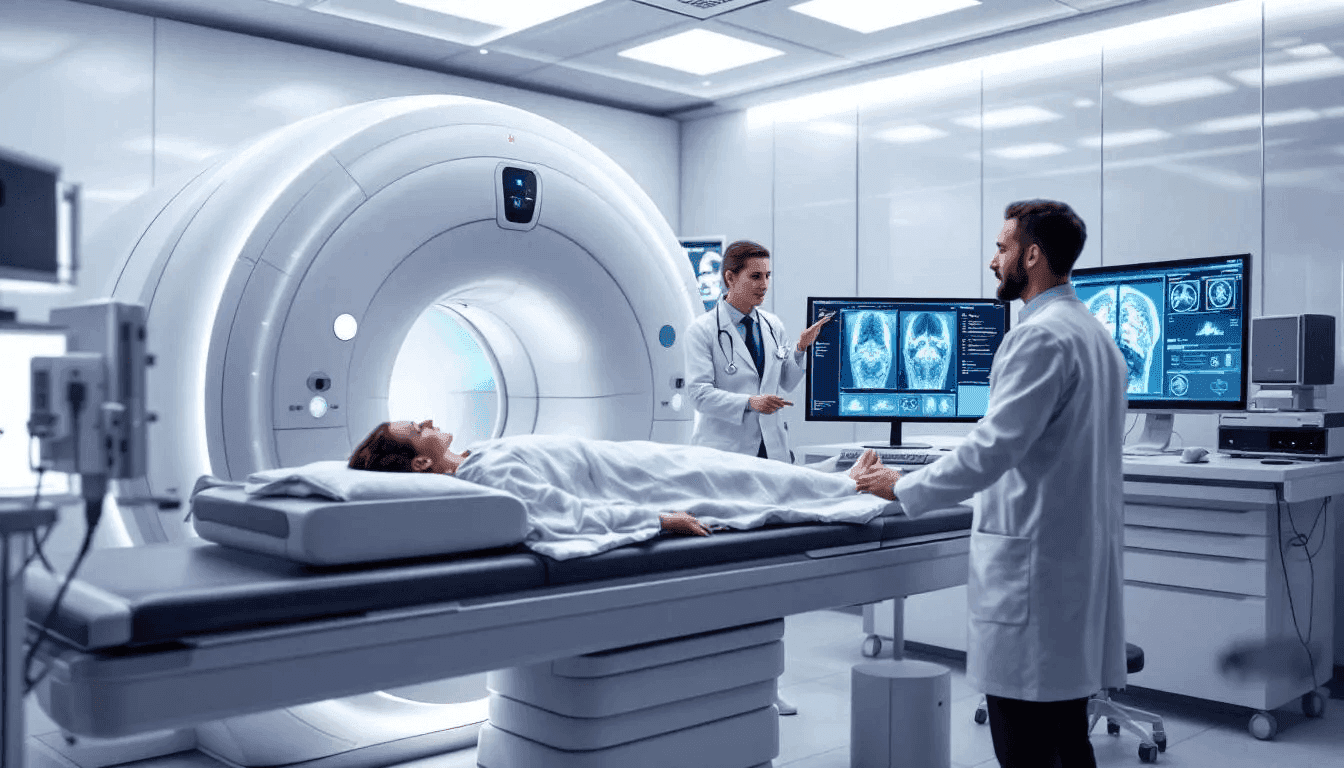
Radiology AI has moved from experimental technology to clinical necessity. As imaging volumes surge and radiologist shortages persist worldwide, artificial intelligence is filling critical gaps in diagnostic workflows. Today, radiology AI tools are FDA-cleared, clinically validated, and actively used in thousands of imaging centers and hospitals across the globe. This comprehensive guide explores how radiology AI works, its most impactful clinical applications, and how your practice can benefit from adopting it.
What Is Radiology AI?
Radiology AI refers to artificial intelligence algorithms specifically designed to analyze medical images such as X-rays, CT scans, MRIs, mammograms, and ultrasounds. These AI systems use deep learning neural networks trained on millions of medical images to detect patterns, identify abnormalities, and assist radiologists in making faster, more accurate diagnoses.
Unlike general-purpose AI, radiology AI must meet stringent regulatory requirements. In the United States, the FDA has cleared over 900 AI-enabled medical devices, with radiology accounting for the largest share. These cleared algorithms cover applications ranging from detecting lung nodules on chest CT to identifying fractures on X-ray to flagging suspicious lesions on mammography.
Key Applications of Radiology AI
Automated Triage and Prioritization
One of the most impactful applications of radiology AI is automated worklist triage. AI algorithms analyze incoming imaging studies in real time and flag cases with critical findings, such as intracranial hemorrhage, pulmonary embolism, or pneumothorax. These urgent cases are automatically moved to the top of the radiologist's worklist, ensuring that the most time-sensitive studies are read first. For emergency departments and high-volume imaging centers, AI-powered triage can reduce time to diagnosis for critical conditions by 30 to 60 percent.
Computer-Aided Detection
Radiology AI excels at detecting subtle findings that may be overlooked during routine reads. In mammography, AI-assisted detection has been shown to increase cancer detection rates while reducing false positives. In chest imaging, AI algorithms can identify early-stage lung nodules as small as 3mm that might be missed on initial review. For musculoskeletal imaging, AI detects fractures with sensitivity comparable to subspecialty-trained radiologists.
Automated Measurements and Quantification
AI tools can automatically measure tumor volumes, track lesion growth over time, calculate cardiac function metrics, and quantify disease burden. These automated measurements save radiologists significant time on each study and improve consistency across readers. For oncology follow-up imaging, AI-powered volumetric analysis provides more precise tumor response assessment than manual diameter measurements.
Preliminary Report Generation
Advanced radiology AI platforms can generate preliminary reports that include key findings, measurements, and standardized language. The radiologist then reviews, edits, and finalizes these AI-generated drafts, significantly reducing dictation time. AI-powered teleradiology services like Natoe AI combine this technology with board-certified radiologist oversight to deliver comprehensive reports with sub-30-minute turnaround times.
Benefits of Radiology AI for Imaging Centers
Faster Turnaround Times
By automating triage, detection, and measurement tasks, radiology AI reduces the time from image acquisition to final report. Imaging centers using AI-powered solutions report average turnaround time improvements of 40 to 60 percent. For practices offering same-day results, AI makes this possible even during peak volume periods.
Improved Diagnostic Accuracy
Multiple peer-reviewed studies have demonstrated that AI-assisted reads achieve higher sensitivity and specificity than unassisted reads. AI serves as a second pair of eyes, catching findings that might be missed during high-volume reading sessions. This is particularly valuable for screening programs where subtle findings are critical to detect early.
Reduced Radiologist Burnout
Radiologist burnout is a growing crisis in healthcare. AI reduces cognitive load by handling repetitive measurement tasks, pre-populating reports, and prioritizing worklists. This allows radiologists to focus their expertise on complex cases and clinical decision-making rather than routine tasks.
Revenue Growth
Faster turnaround times and expanded capacity mean imaging centers can handle more volume without adding staff. AI-enabled practices also attract more referrals from clinicians who value quick, accurate results. Some practices report 20 to 30 percent increases in study volume after implementing AI-powered workflow solutions.
How to Implement Radiology AI in Your Practice
Step 1: Assess Your Workflow Needs
Start by identifying your biggest pain points. Is it turnaround time? After-hours coverage? Specific modality bottlenecks? Understanding your needs helps you choose the right AI solution.
Step 2: Evaluate Integration Requirements
The most effective radiology AI tools integrate directly with your PACS and RIS systems. Look for solutions that work within your existing workflow rather than requiring separate interfaces or manual steps.
Step 3: Verify FDA Clearance and Clinical Evidence
Ensure any AI tool you consider has current FDA 510(k) clearance for its intended use. Review published clinical validation studies and ask vendors for real-world performance data from comparable practice settings.
Step 4: Consider AI-Powered Teleradiology
For practices that need both AI technology and radiologist coverage, AI-powered teleradiology platforms like Natoe AI offer a turnkey solution. These services combine FDA-cleared AI algorithms with board-certified radiologists to deliver fast, accurate reads across all modalities, without requiring you to purchase, implement, or maintain AI software separately.
The Future of Radiology AI
The next frontier in radiology AI includes multimodal analysis that combines imaging data with electronic health records, lab results, and clinical notes for more comprehensive diagnostic support. Natural language processing will generate more detailed, context-aware reports. And federated learning approaches will enable AI models to improve continuously across diverse patient populations while maintaining data privacy.
For imaging centers and radiology practices looking to stay competitive, adopting radiology AI is no longer optional. The question is not whether to implement AI, but how to choose the right solution for your practice.
Ready to experience AI-powered radiology? Request a demo from Natoe AI to see how our FDA-cleared AI copilot and teleradiology services can transform your practice.