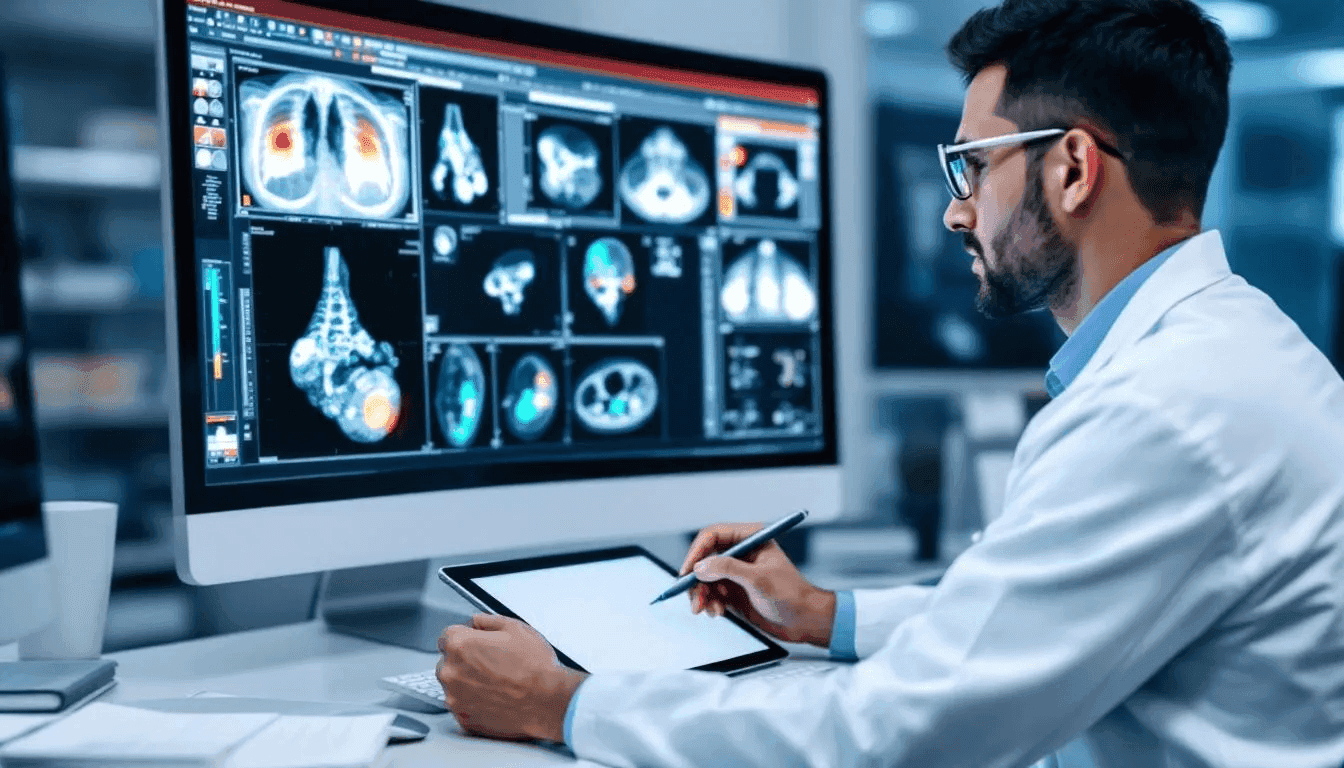
Revolutionizing Medical Imaging with AI-Powered Remote Diagnostics
Reviewed by board-certified radiologists
Key Takeaways
- Teleradiology enables remote interpretation: Provides 24/7 access to radiologists and reduces costs by up to 80% compared to on-site services
- AI-powered teleradiology copilots: Integrate AI technology to enhance diagnostic accuracy, reduce radiologist burnout, and streamline workflow efficiency
- Support for all major imaging modalities: Including X-ray, CT, MRI, ultrasound, and mammography with HIPAA-compliant security and governance
- Fast turnaround times: Can deliver results in under 15 minutes for urgent cases and achieve 99.9% accuracy rates when AI-assisted overreads are utilized
- Structured rollout plan: 30-60-90 day implementation ensures successful adoption with proper training, workflow integration, and outcome measurement
The global teleradiology market has experienced remarkable growth, valued at over $5 billion in 2020 and projected to continue expanding at double-digit rates. This surge reflects a fundamental shift in how healthcare organizations approach radiology services, driven by advances in artificial intelligence, secure digital transmission, and the growing need for 24/7 imaging expertise.
For imaging centers and healthcare facilities struggling with radiologist shortages, rising costs, and increasing patient volumes, teleradiology offers a transformative solution. Modern AI-powered teleradiology platforms can reduce interpretation costs by up to 80% while delivering faster, more accurate diagnoses than traditional on-site services.
This comprehensive guide explores how teleradiology technology works, the revolutionary impact of AI copilots, and practical implementation strategies that can transform your imaging workflow within 90 days.
What is Teleradiology and How Does It Work
Teleradiology refers to the practice of transmitting radiological images and associated patient data from one geographic location to another for interpretation, diagnostic consultation, or expert opinion. This technology enables rapid access to radiology expertise regardless of physical distance, enhancing both the quality and speed of patient care.
The process begins when medical images are acquired using digital imaging equipment at your healthcare facility. These images, along with relevant patient information, are securely transmitted through HIPAA-compliant networks to qualified radiologists who may be located anywhere in the world. The radiologist interprets the images and provides a detailed report that is delivered back to the referring physician, often within minutes for urgent cases.
Traditional on-site radiology services can cost healthcare facilities up to $1,500 daily for radiologist coverage, while teleradiology services typically range from $8-50 per exam depending on complexity and urgency. This dramatic cost difference, combined with 24/7 availability, makes teleradiology particularly beneficial for rural hospitals, urgent care centers, and facilities without full-time radiology staff.
The technology relies on standardized DICOM (Digital Imaging and Communications in Medicine) protocols for image transmission and integrates seamlessly with existing PACS (Picture Archiving and Communication Systems). This ensures that your current imaging workflow remains largely unchanged while gaining access to subspecialty expertise and round-the-clock coverage.
Modern teleradiology platforms support all major imaging modalities and can handle everything from routine x rays to complex MRI studies. The digital transmission occurs through encrypted VPNs and cloud services that ensure compliance with data privacy regulations such as HIPAA and GDPR.
Teleradiology Copilot vs Traditional Teleradiology
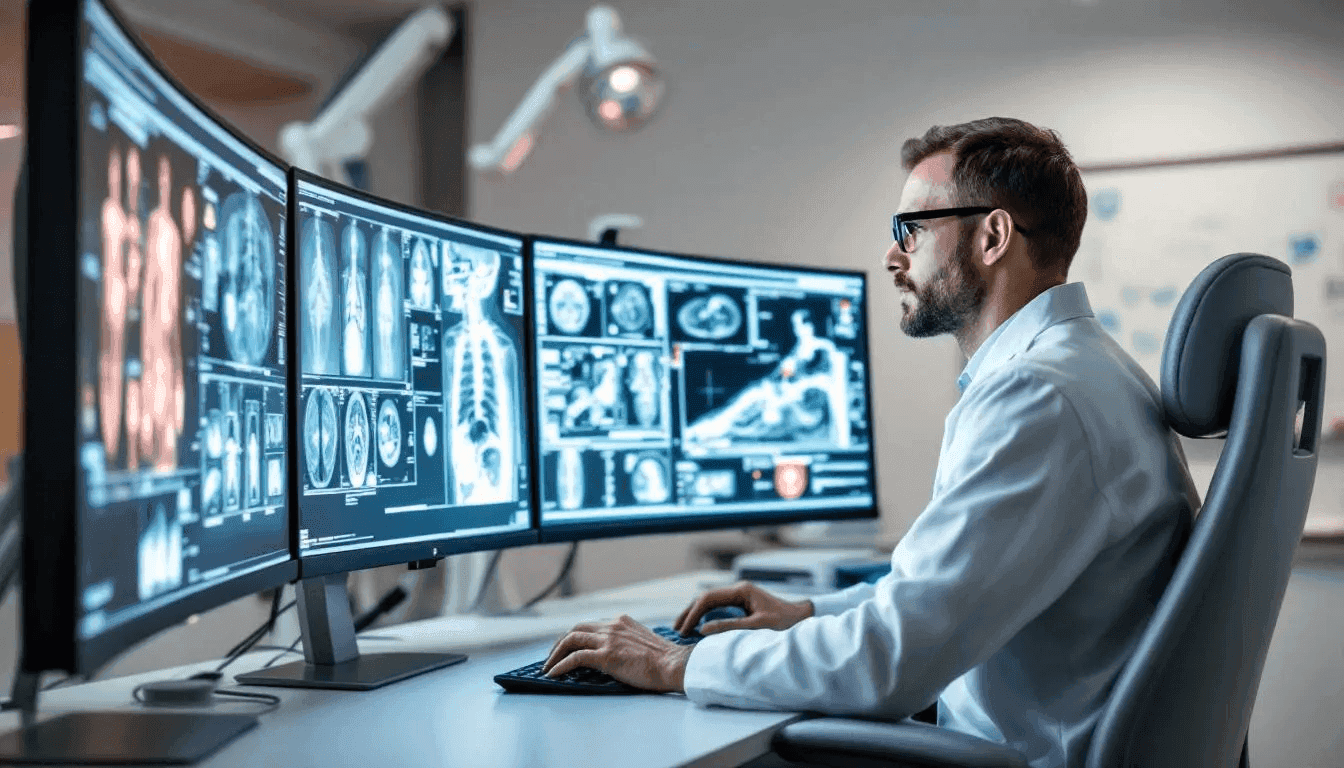
While traditional teleradiology provides basic remote image interpretation with manual reporting and standard turnaround times, the emergence of AI-powered teleradiology copilots represents a quantum leap in diagnostic capability and workflow efficiency.
Traditional teleradiology systems rely entirely on human radiologists for interpretation, with limited automation and standard reporting templates. Radiologists manually review each study, dictate findings, and generate reports using conventional methods. While effective, this approach can be time-consuming and subject to human factors like fatigue and oversight.
A teleradiology copilot transforms this process by integrating artificial intelligence directly into the interpretation workflow. These AI-enhanced systems provide automated impressions, intelligent findings detection, follow-up recommendations, and real-time quality assurance. The AI algorithms analyze images for subtle patterns and abnormalities that might be missed during routine interpretation, serving as a collaborative assistant rather than a replacement for human expertise.
Research shows that AI assistance can reduce dictated words by up to 35% and save radiologists 60+ minutes per shift by automating routine tasks and pre-populating report templates. This efficiency gain allows radiologists to focus on complex cases while maintaining high accuracy across all studies.
The enhanced accuracy achieved through machine learning algorithms is particularly notable in cancer detection, where studies demonstrate up to 15% improvement in identification rates compared to traditional interpretation methods. AI copilots also incorporate automated workflow optimization features that help reduce radiologist burnout by prioritizing urgent cases and streamlining repetitive tasks.
Unlike traditional systems that operate as simple image transmission platforms, copilots actively participate in the diagnostic process by flagging critical findings, suggesting follow-up protocols, and maintaining continuous quality monitoring throughout the interpretation workflow.
Integration in the Imaging Workflow
The integration of teleradiology services into existing imaging workflows follows a carefully orchestrated process designed to maintain clinical efficiency while enhancing diagnostic capabilities. Understanding this workflow is essential for healthcare administrators planning implementation.
The process begins with image acquisition at your healthcare facility using standard digital imaging equipment. Whether performing x ray examinations, CT scans, MRI studies, ultrasound procedures, or mammography screening, the digital images are automatically captured and stored in your facility's PACS system.
Once acquired, images are securely transmitted through HIPAA-compliant networks to the teleradiology platform. This transmission occurs seamlessly in the background, typically taking just minutes for standard studies and seconds for urgent cases. The secure transmission protocols ensure that patient data remains protected throughout the process.
AI-powered triage and prioritization systems immediately analyze incoming studies, categorizing them based on urgency and preliminary findings. Stat reads for emergency conditions like stroke or trauma are automatically flagged and routed to available radiologists within minutes, while routine studies enter the standard workflow queue.
During radiologist interpretation, AI copilot assistance provides real-time support for enhanced accuracy. The system highlights potential abnormalities, suggests measurement protocols, and offers preliminary impressions that the radiologist can review and modify. This collaborative approach combines human expertise with machine precision to deliver optimal diagnostic outcomes.
Automated report generation streamlines the final step, with AI systems pre-populating standard language and measurements while allowing radiologists to customize findings and recommendations. The completed report is then transmitted back to the referring physician, often within 15 minutes for urgent cases and 30 minutes for routine studies.
Quality assurance and peer review processes operate continuously in the background, monitoring interpretation accuracy and flagging cases for additional review when necessary. This multi-layered approach ensures that patient care standards remain consistently high across all studies.
Clinical Use Cases Across Imaging Modalities
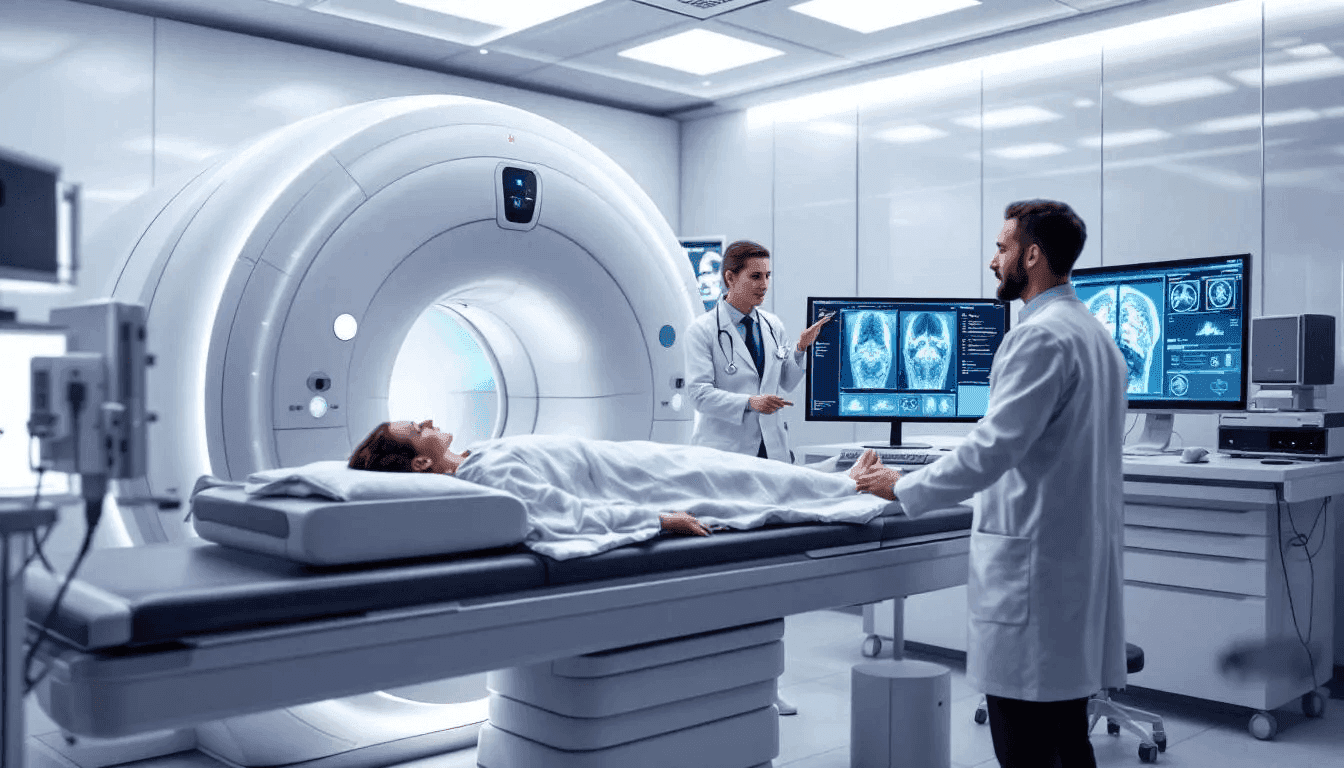
The versatility of modern teleradiology platforms enables comprehensive support across all major imaging modalities, each with specific clinical applications and AI-enhanced capabilities that improve patient outcomes.
X-ray Applications
Emergency department fracture detection represents one of the most critical applications of teleradiology, with AI-enhanced systems providing stat reads under 15 minutes for urgent cases. The technology excels at identifying subtle fractures that might be missed during initial review, particularly in pediatric patients where growth plates can obscure injury patterns.
Occupational health chest x rays benefit from specialized NIOSH certified B Reader interpretations, ensuring compliance with workplace safety regulations. These studies require specific expertise in pneumoconiosis detection, which many facilities lack in-house but can access through teleradiology networks.
Urgent care diagnostics for respiratory conditions and musculoskeletal injuries rely heavily on rapid x ray interpretation. AI-enhanced detection of pneumothorax, pneumonia, and subtle bone fractures can mean the difference between immediate treatment and dangerous delays in diagnosis.
The integration of artificial intelligence in x ray interpretation has proven particularly valuable for high-volume screening workflows, where AI algorithms can automatically triage normal studies while flagging abnormal findings for human review.
CT Scan Interpretations
Stroke protocol imaging demands the fastest possible turnaround times, as treatment decisions must be made within the critical therapeutic window. Teleradiology copilots can analyze CT studies for signs of acute stroke within minutes, automatically measuring hemorrhage volumes and assessing vessel patency to guide treatment decisions.
Trauma assessment including head, chest, and abdominal CT scans requires specialized expertise that may not be available on-site during off-hours. AI-enhanced trauma protocols can immediately identify life-threatening conditions like intracranial hemorrhage, pneumothorax, or internal bleeding, ensuring that critical patients receive appropriate care without delay.
Cancer staging and treatment monitoring benefit from volumetric analysis capabilities that accurately measure tumor burden and treatment response. These measurements are essential for oncology management and can be performed consistently using AI-assisted protocols.
Pulmonary embolism detection and cardiac imaging represent high-stakes interpretations where accuracy is paramount. AI algorithms trained specifically for PE detection can identify subtle filling defects that might be overlooked, while cardiac CT protocols assess coronary artery disease and functional parameters.
MRI Services
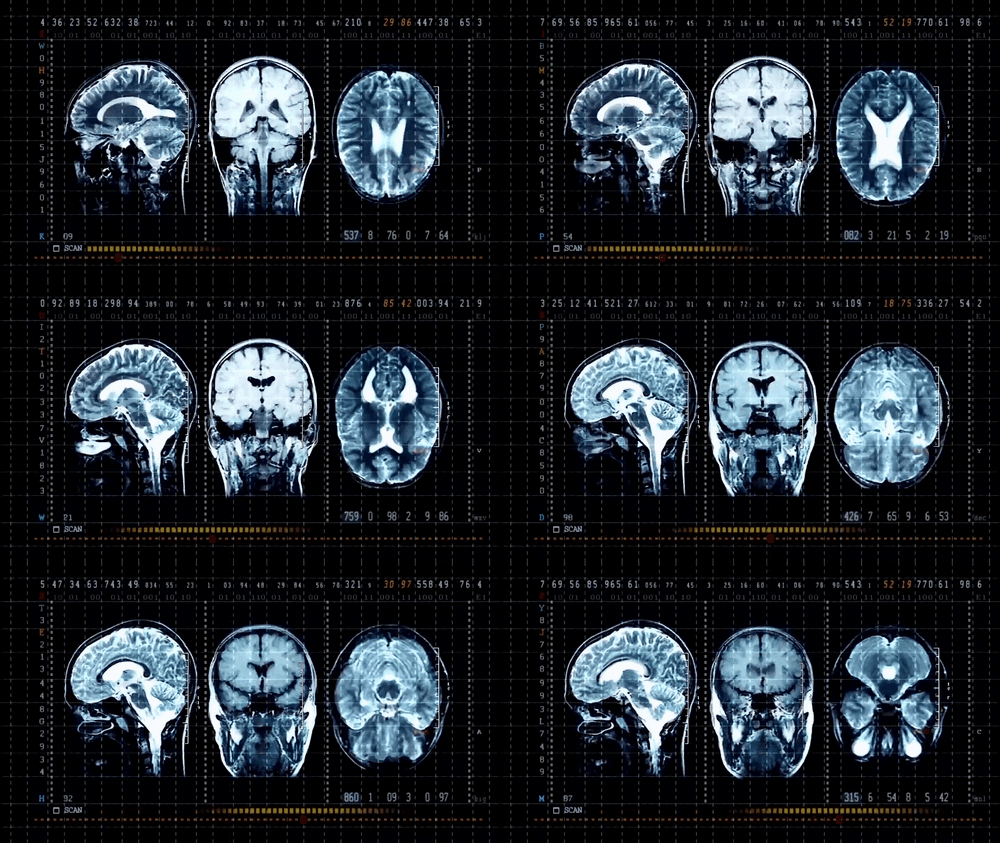
Neurological imaging for brain tumors, stroke, and degenerative diseases requires subspecialty expertise that is often unavailable at smaller facilities. Teleradiology networks provide access to fellowship-trained neuroradiologists who can identify subtle signal changes and provide detailed differential diagnoses.
Musculoskeletal MRI for sports injuries and joint disorders benefits from AI-assisted measurement tools that quantify cartilage thickness, tendon integrity, and bone marrow changes. These objective measurements improve diagnostic accuracy and treatment planning.
Cardiac MRI for functional assessment and tissue characterization represents one of the most complex imaging studies, requiring specialized training and experience. Teleradiology platforms can connect facilities with cardiac imaging experts while providing AI-assisted analysis of ventricular function and myocardial viability.
Functional MRI for presurgical planning and research applications demands both technical expertise and specialized post-processing capabilities. Teleradiology services can provide access to advanced fMRI analysis tools and expert interpretation that would be prohibitively expensive for most facilities to maintain in-house.
Ultrasound Interpretation
Emergency ultrasound for FAST exams and cardiac assessments requires immediate interpretation to guide patient management. AI-enhanced protocols can automatically identify free fluid in trauma patients and assess cardiac function, providing critical information for emergency physicians.
Obstetric ultrasound for fetal monitoring and anomaly detection benefits from specialized maternal-fetal medicine expertise available through teleradiology networks. AI systems can assist with biometric measurements and anomaly detection while ensuring that studies meet established quality standards.
Vascular ultrasound for DVT screening and carotid assessments relies on accurate Doppler analysis and vessel measurements. AI-assisted protocols can standardize these measurements while flagging abnormal flow patterns for expert review.
Point-of-care ultrasound support represents a growing application area where non-radiologist physicians need expert guidance for study interpretation. Teleradiology platforms can provide real-time consultation and quality assurance for these studies.
Mammography Screening
Digital mammography interpretation with AI-assisted lesion detection has revolutionized breast cancer screening by identifying subtle abnormalities that might be missed during conventional interpretation. Studies show significant improvements in cancer detection rates when AI algorithms work alongside human radiologists.
3D mammography (tomosynthesis) for enhanced breast cancer screening generates large datasets that can be challenging to interpret efficiently. AI systems can analyze these studies rapidly while maintaining high sensitivity for cancer detection.
High-risk patient monitoring and genetic predisposition assessments require specialized expertise in breast imaging. Teleradiology networks provide access to dedicated breast imaging specialists who can optimize screening protocols for individual patients.
Integration with breast MRI for comprehensive cancer detection enables a multi-modal approach to breast imaging. AI systems can correlate findings across different imaging modalities to provide more accurate risk assessment and treatment planning.
Reader Experience and Quality Programs
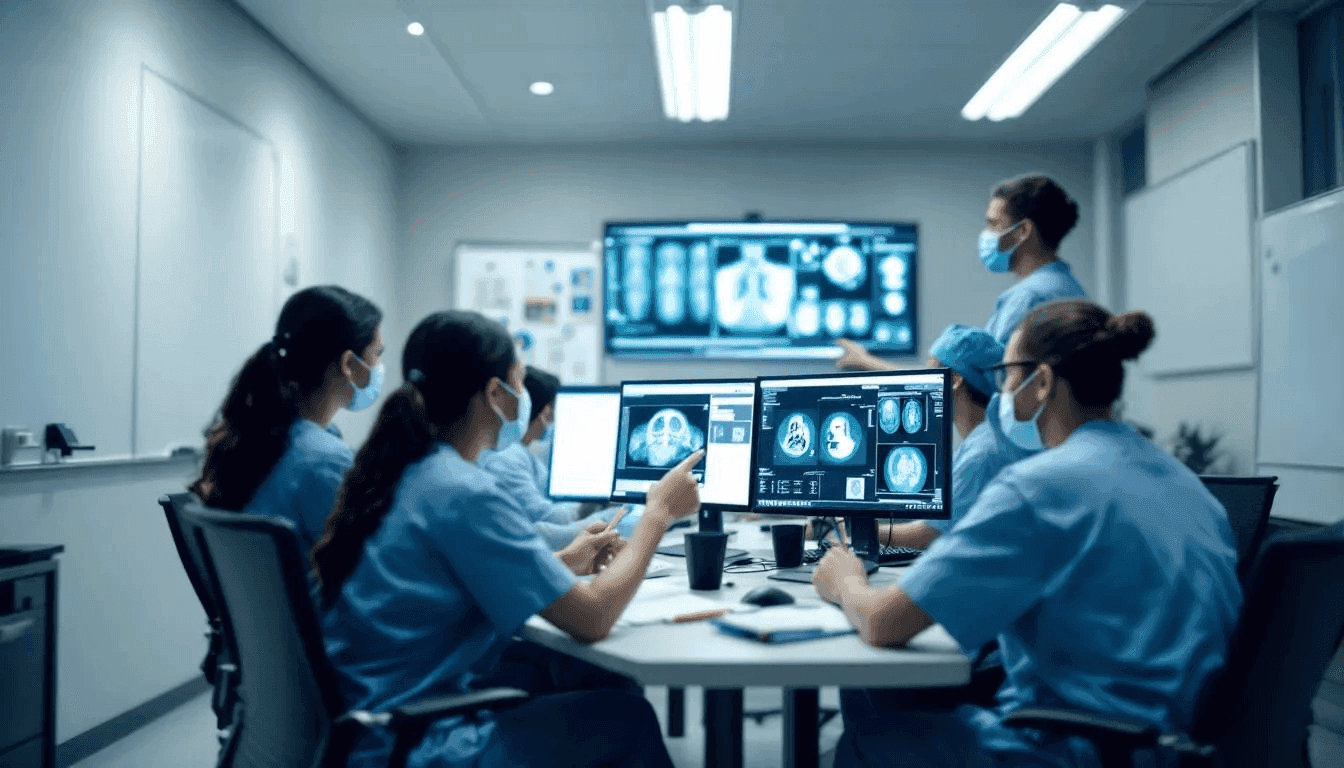
The radiologist experience with modern teleradiology platforms has been carefully designed to maximize efficiency while maintaining diagnostic accuracy. User-friendly interfaces developed by radiologists for radiologists incorporate zero-click automation that eliminates repetitive tasks and streamlines the interpretation process.
Customizable reporting templates allow radiologists to match their individual language styles and preferences while maintaining consistency across studies. These templates can be automatically populated with AI-generated findings and measurements, reducing the time required for report dictation and transcription.
Real-time AI suggestions and anomaly highlighting appear during interpretation, drawing attention to potential abnormalities without overwhelming the radiologist with false positives. The system learns from each radiologist's preferences and adjusts its recommendations accordingly, creating a personalized interpretation experience.
Continuous quality improvement operates through comprehensive peer review and discrepancy analysis programs. These systems track interpretation accuracy across different radiologists and case types, identifying areas for improvement and ensuring consistent quality standards.
Performance metrics tracking includes detailed analysis of turnaround times, accuracy rates, and diagnostic confidence levels. This data enables ongoing optimization of workflow processes and helps identify radiologists who may benefit from additional training or support.
The implementation of ongoing education and training programs keeps radiologists current with emerging technologies and best practices. These programs are integrated directly into the platform, providing convenient access to continuing medical education credits and subspecialty training modules.
Quality assurance protocols include automatic flagging of discrepant cases and systematic review of interpretation accuracy. When disagreements occur between radiologists or between AI systems and human interpreters, these cases are automatically routed for additional review and used to improve system performance.
Security, Compliance, and Governance
The security infrastructure supporting modern teleradiology platforms incorporates multiple layers of protection designed to safeguard patient data while ensuring compliance with healthcare regulations. HIPAA compliance forms the foundation of these security measures, with end-to-end encryption protecting all image transmissions and patient information.
SOC 2 Type II certification demonstrates that teleradiology platforms meet the highest standards for security, availability, and confidentiality. Regular security audits by independent third-party organizations ensure that these standards are maintained and continuously improved.
Role-based access controls restrict system access based on individual user credentials and responsibilities. Comprehensive audit logging tracks all system interactions, creating a complete record of who accessed which patient data and when. This information is essential for compliance reporting and security incident investigation.
Data redundancy and disaster recovery protocols ensure that patient images and reports remain accessible even in the event of system failures or natural disasters. Multiple data centers with real-time replication provide seamless failover capabilities that maintain service continuity.
Privacy protection extends beyond basic encryption to include advanced de-identification and anonymization processes for research and quality improvement activities. These protocols ensure that patient privacy is maintained while enabling valuable clinical research and system optimization.
Compliance with state medical licensing requirements across multiple jurisdictions requires careful management of radiologist credentials and practice privileges. Teleradiology platforms maintain detailed records of licensing status and ensure that interpretations are performed only by appropriately credentialed physicians.
FDA-cleared AI algorithms undergo rigorous validation and continuous monitoring to ensure that they meet regulatory standards for medical devices. This includes ongoing performance assessment and regular updates to maintain accuracy and safety standards.
Network security protocols include advanced threat detection and response capabilities that monitor for unauthorized access attempts and potential security breaches. Multi-factor authentication and VPN tunneling provide additional layers of protection for remote access to the system.
Clinical Outcomes for Imaging Centers
The implementation of modern teleradiology services delivers measurable improvements in clinical outcomes that directly impact patient care and facility operations. Reduced interpretation errors represent one of the most significant benefits, with AI-assisted overreads achieving 99.9% accuracy rates in clinical studies.
Faster patient throughput results from dramatically reduced turnaround times, with 15-minute stat reads and 30-minute standard reports becoming the new standard. This speed improvement enables emergency departments to make treatment decisions more quickly and helps reduce patient length of stay.
Improved patient satisfaction stems from reduced wait times and faster results delivery. Patients appreciate receiving their results quickly, and referring physicians can provide more timely follow-up care and treatment recommendations.
Enhanced revenue capture occurs through the identification of missed findings and automated follow-up recommendations. AI systems can identify incidental findings that might otherwise be overlooked, ensuring appropriate patient follow-up and additional imaging when clinically indicated.
Decreased liability results from comprehensive double-reads and quality assurance programs that reduce the risk of missed diagnoses. The combination of human expertise and AI assistance creates multiple layers of review that minimize interpretation errors.
24/7 coverage eliminates delays in critical diagnoses by providing immediate access to qualified radiologists regardless of time or day. This continuous coverage is particularly valuable for emergency departments and facilities serving rural populations.
Cost savings of 60-80% compared to traditional on-site radiology staffing make teleradiology an attractive option for healthcare facilities facing budget constraints. These savings can be reinvested in other clinical services or used to improve overall facility operations.
The ability to access subspecialty expertise improves diagnostic accuracy for complex cases while reducing the need for patient transfers to tertiary care centers. This capability is particularly valuable for smaller hospitals and specialty imaging centers.
Quality metrics tracking enables continuous improvement in diagnostic accuracy and workflow efficiency. Facilities can monitor their performance over time and identify areas for optimization, leading to better patient outcomes and operational efficiency.
Buyer's Guide for Evaluating Radiology AI Copilots
Selecting the right teleradiology platform requires careful evaluation of multiple factors that will impact both clinical outcomes and operational efficiency. The assessment process should begin with a thorough analysis of AI algorithm performance metrics, including sensitivity, specificity, and FDA clearance status for relevant imaging modalities.
Integration capabilities with existing PACS, RIS, and EMR systems represent a critical consideration that will determine implementation complexity and workflow disruption. The ideal platform should integrate seamlessly with your current technology infrastructure without requiring major system modifications or staff retraining.
Turnaround time guarantees and service level agreements provide important protections for your facility and patients. Look for platforms that offer specific commitments for stat reads (typically 15 minutes), urgent studies (30 minutes), and routine interpretations (2-4 hours), with financial penalties for missed deadlines.
Radiologist credentials, board certifications, and subspecialty expertise should be thoroughly reviewed to ensure that your studies will be interpreted by appropriately qualified physicians. Verify that radiologists are licensed in your state and maintain current certifications in relevant subspecialties.
Total cost of ownership analysis should include not only per-study fees but also setup costs, training expenses, and ongoing support requirements. Request detailed pricing information for different study types and volumes to accurately project your annual costs.
Security certifications, compliance standards, and data protection measures must meet or exceed your facility's requirements. Verify that the platform maintains SOC 2 Type II certification, HIPAA compliance, and appropriate data encryption standards.
References from similar healthcare organizations provide valuable insights into real-world performance and user satisfaction. Request contact information for facilities with similar volumes and case types to learn about their experience with the platform.
User interface usability and workflow integration should be evaluated through hands-on testing before full deployment. The best platforms offer intuitive interfaces that require minimal training and integrate smoothly with existing radiologist workflows.
Vendor support capabilities including technical assistance, training programs, and ongoing platform updates are essential for long-term success. Evaluate the vendor's track record for customer support and their commitment to continuous improvement and innovation.
30-60-90 Day Clinical Rollout Plan
A structured implementation approach ensures successful adoption of teleradiology services while minimizing workflow disruption and maximizing clinical benefits. The rollout process should be carefully planned and executed in phases that allow for progressive expansion and optimization.
Days 1-30: Foundation and Setup
The initial phase focuses on establishing the technical foundation and preparing staff for the transition to teleradiology services. Complete technical integration with PACS systems requires careful planning and testing to ensure seamless image transmission and report delivery.
Network connectivity testing should verify that your facility's internet infrastructure can support the required image transmission volumes without impacting other clinical systems. This may require bandwidth upgrades or network optimization to ensure reliable performance.
Training key staff on platform usage and workflow procedures represents a critical success factor that cannot be overlooked. Identify super users who can champion the new system and provide ongoing support to other staff members during the transition period.
Establishing quality metrics and reporting protocols enables accurate measurement of system performance from day one. Define specific targets for turnaround times, accuracy rates, and user satisfaction that will guide ongoing optimization efforts.
Beginning with non-urgent cases allows validation of system performance without risking patient safety or workflow disruption. Focus on routine studies during normal business hours to identify and resolve any technical or workflow issues before expanding to urgent cases.
Daily monitoring of turnaround times and accuracy metrics provides immediate feedback on system performance and identifies areas that may require adjustment. This data should be reviewed regularly with the teleradiology vendor to ensure optimal performance.
Days 31-60: Expansion and Optimization
The second phase expands service coverage to include urgent and stat reads while implementing advanced AI-assisted features. Performance monitoring becomes even more critical during this phase as case complexity and urgency increase.
Implementation of AI-assisted features requires additional staff training and workflow modification to maximize the benefits of automated analysis and reporting tools. Focus on features that provide the greatest impact on efficiency and accuracy for your specific case mix.
Weekly quality reviews and discrepancy analysis help identify patterns that may indicate system or process improvements. These reviews should involve both radiologists and technical staff to ensure comprehensive evaluation of all aspects of the teleradiology workflow.
Workflow optimization based on initial performance data may involve adjusting staffing patterns, modifying report distribution processes, or refining AI algorithm settings. These changes should be implemented gradually and monitored carefully for their impact on overall performance.
Beginning measurement of clinical outcomes and cost savings provides data to support ongoing investment in teleradiology services and identify additional optimization opportunities. Track metrics such as patient satisfaction, length of stay, and revenue capture to demonstrate value.
Days 61-90: Full Implementation and Assessment
The final phase involves complete deployment across all imaging modalities and case types while implementing the most advanced features of the teleradiology platform. This phase also includes comprehensive outcome analysis and planning for future enhancements.
Deployment across all imaging modalities requires careful coordination to ensure that each modality receives appropriate coverage and that radiologist expertise matches clinical needs. Consider subspecialty assignments for complex cases like cardiac MRI or neuroradiology studies.
Implementation of advanced AI features like automated follow-up recommendations can significantly improve patient care by ensuring that incidental findings receive appropriate attention. These features require careful configuration and ongoing monitoring to maintain accuracy.
Comprehensive outcome analysis should include both clinical metrics like diagnostic accuracy and operational metrics like cost savings and efficiency improvements. This analysis provides the foundation for ongoing optimization and expansion planning.
Establishing long-term quality improvement protocols ensures that the benefits achieved during implementation are maintained and enhanced over time. These protocols should include regular performance reviews, continuing education programs, and technology updates.
Planning for scaling and future technology enhancements prepares your facility for growth and ensures that your teleradiology platform can adapt to changing needs. Consider factors like volume growth, new imaging modalities, and emerging AI technologies.