Radiology Copilot: AI-Powered Decision Support Partner for Medical Imaging
Reviewed by board-certified radiologists
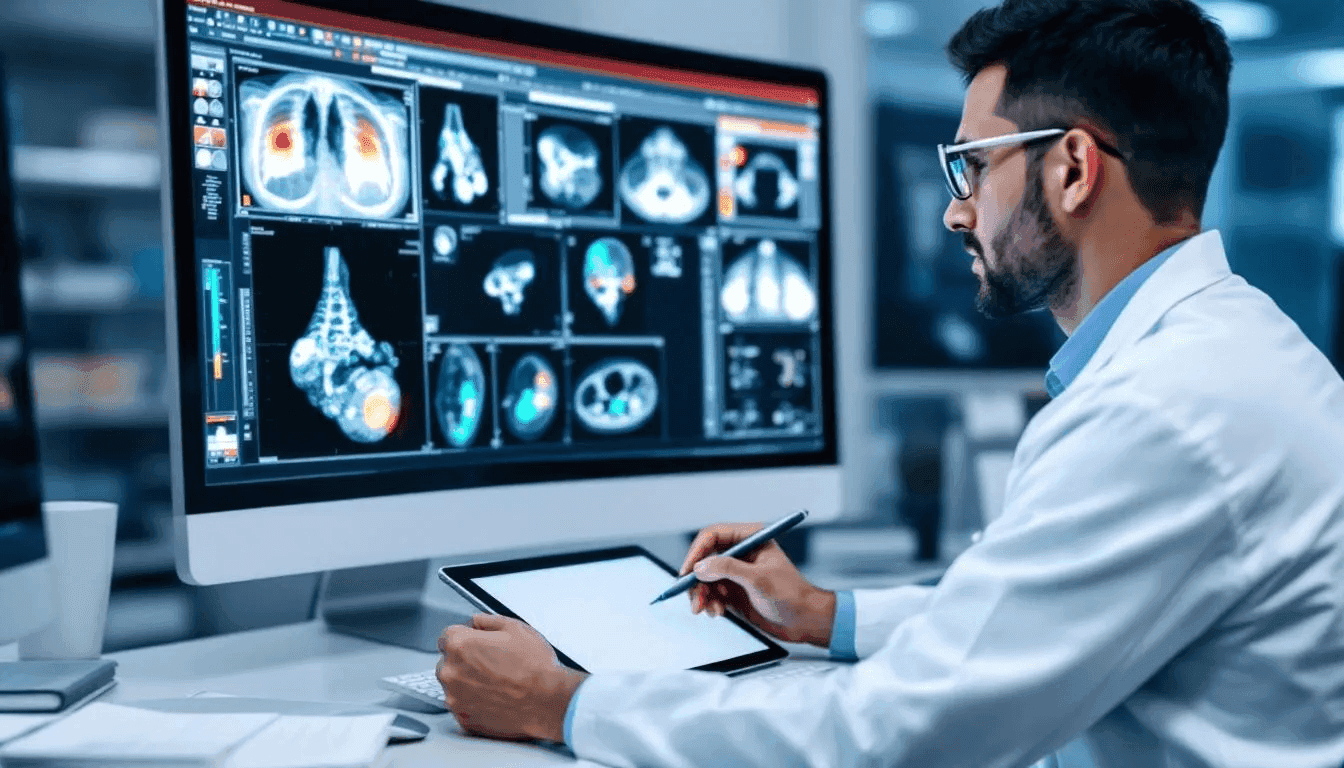
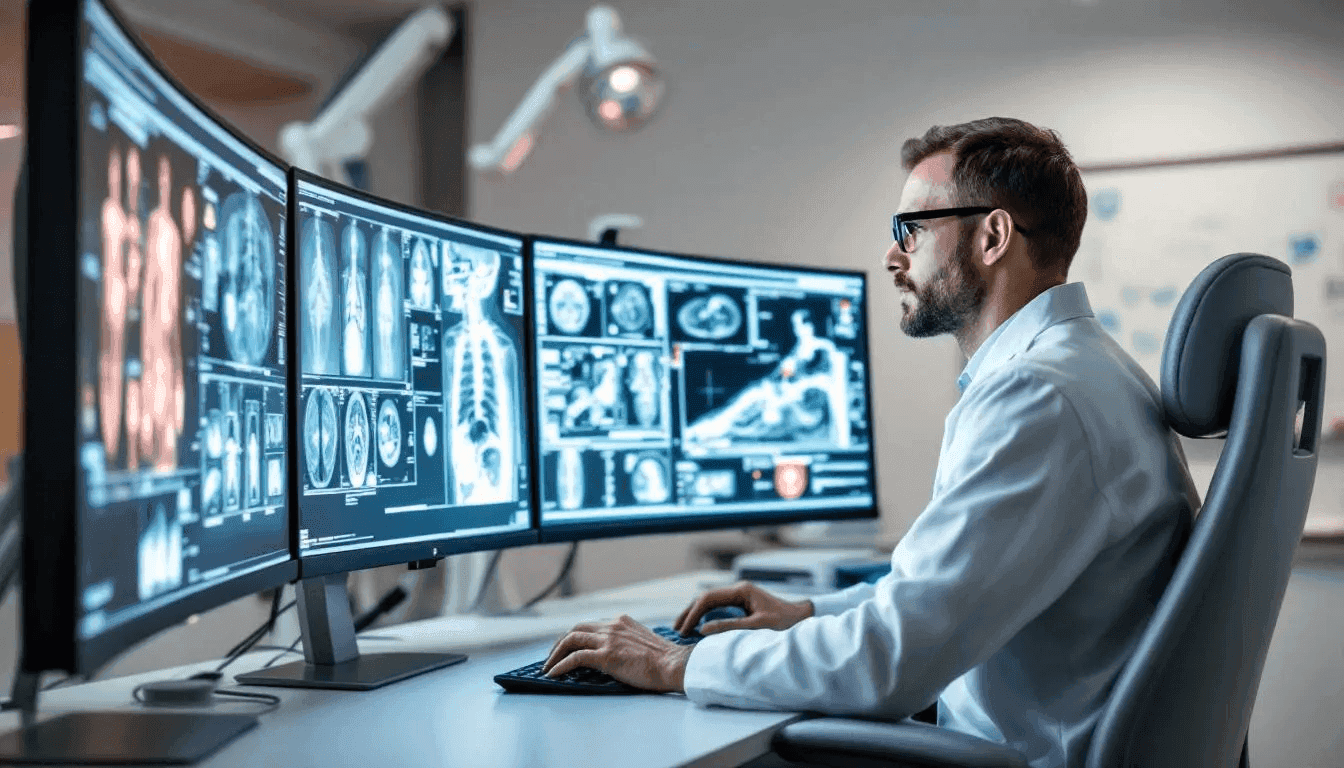
Medical imaging volumes continue to surge while radiologist workloads reach critical levels across healthcare systems. The human brain processes visual information with remarkable speed, but even expert radiologists face mounting pressure from increasing case complexity, administrative burdens, and the need for faster turnaround times. Enter the radiology copilot—an artificial intelligence solution designed not to replace radiologist expertise, but to amplify it through intelligent decision support and workflow acceleration.
A radiology copilot transforms how imaging centers approach patient care by providing real-time assistance during image interpretation, automated quality checks, and streamlined reporting processes. Unlike traditional computer-aided detection systems that operate in isolation, these AI-powered assistants integrate seamlessly into existing radiology services workflows, supporting radiologists from initial image review through final report delivery.
What is a Radiology Copilot?
A radiology copilot is an AI-powered digital assistant that works alongside radiologists during medical image interpretation, serving as an intelligent partner rather than a replacement for human expertise. This technology represents a fundamental shift from traditional AI applications that operate as standalone tools to integrated systems that enhance every aspect of the radiological workflow.
The key distinction lies in the copilot's role as a collaborative partner. While early AI systems in radiology focused on narrow tasks like detecting specific pathologies, a radiology copilot provides comprehensive support throughout the entire imaging process. It analyzes radiological images in real-time, suggests potential findings, assists with measurements, and even helps generate preliminary reports—all while the radiologist maintains complete control over final diagnoses and treatment recommendations.
Modern radiology copilots integrate directly with Picture Archiving and Communication Systems (PACS) and Radiology Information Systems (RIS), creating a seamless experience for radiologists. The technology leverages advanced machine learning algorithms, deep learning networks, and natural language processing to understand both imaging patterns and clinical context. This integration allows the copilot to access training data from vast repositories of medical images while maintaining hipaa compliant security standards.
The ambient intelligence capabilities of these systems capture and process workflow events, automatically documenting key findings and generating structured reports. This reduces the administrative burden that typically consumes over 30% of a radiologist's working time, allowing them to focus on complex diagnostic challenges and patient care decisions.
How Radiology Copilots Transform Imaging Workflows
The integration of a radiology copilot fundamentally restructures the traditional imaging workflow, introducing AI-powered decision support at every critical juncture. Here's how the enhanced process works:
- Image Acquisition and Initial Processing: After ct scans, x ray images, or other imaging modalities capture patient data, the copilot immediately begins preprocessing, analyzing image quality and flagging technical issues that might affect interpretation.
- AI-Powered Preprocessing: The system applies image reconstruction techniques and quality enhancement algorithms while simultaneously conducting preliminary analysis to identify potential areas of interest across different anatomical regions.
- Copilot-Assisted Interpretation: During active review, the radiologist receives real-time alerts about potential abnormalities, automated measurements of critical structures like brain structure dimensions, and contextual information from previous studies.
- Intelligent Quality Checks: The copilot performs comprehensive quality assurance by cross-referencing findings against established protocols, checking for consistency with clinical data, and ensuring completeness of the examination.
- Automated Report Generation: Using natural language processing, the system generates structured preliminary reports that radiologists can review, edit, and finalize, significantly reducing dictation time.
- Performance Analytics and Continuous Learning: The system tracks outcomes, measures accuracy metrics, and continuously refines its algorithms based on radiologist feedback and verified diagnoses.
Decision Support Capabilities
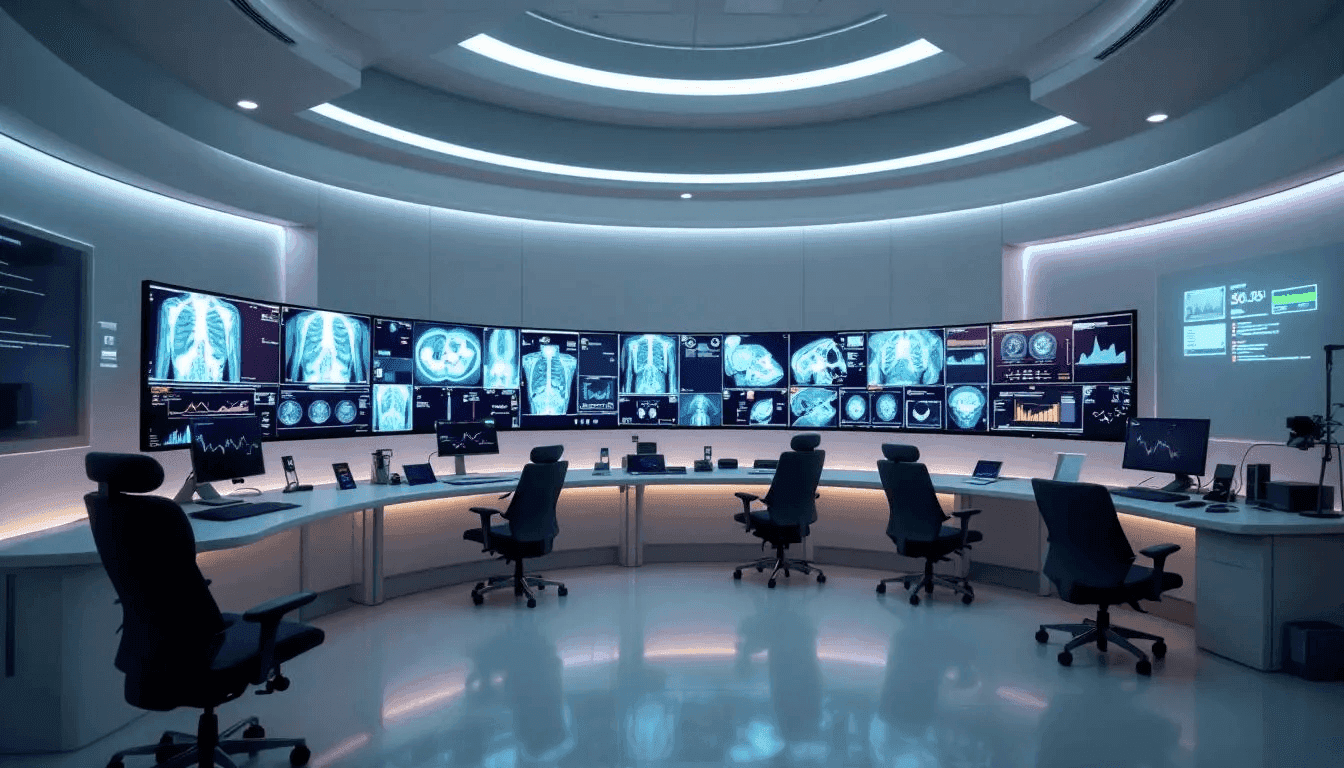
The decision support capabilities of radiology copilots extend far beyond simple pattern recognition. These systems leverage neural networks trained on millions of medical images to identify subtle pathologies that might escape initial detection. For example, in mammography screening for breast cancer, copilots can highlight suspicious microcalcifications or architectural distortions while providing confidence scores for each finding.
The ai technology behind these systems enables cross-referencing with extensive radiology knowledge databases, providing differential diagnosis suggestions based on imaging characteristics and patient history. When evaluating complex cases, the copilot offers confidence scoring that helps radiologists prioritize cases requiring additional review or specialist consultation.
Advanced copilots also support teleradiology services by maintaining consistent interpretation quality across different location settings. Whether a musculoskeletal radiologist is reviewing images from a large metropolitan area hospital or providing services to rural areas, the copilot ensures standardized analysis approaches and comprehensive documentation.
Clinical Applications and Specialties
Radiology copilots demonstrate remarkable versatility across imaging modalities and medical specialties, adapting their analysis techniques to support specific diagnostic requirements. In chest imaging, these systems excel at pneumonia detection, lung nodule tracking, and COVID-19 screening support, providing rapid triage capabilities that prove invaluable in emergency situations.
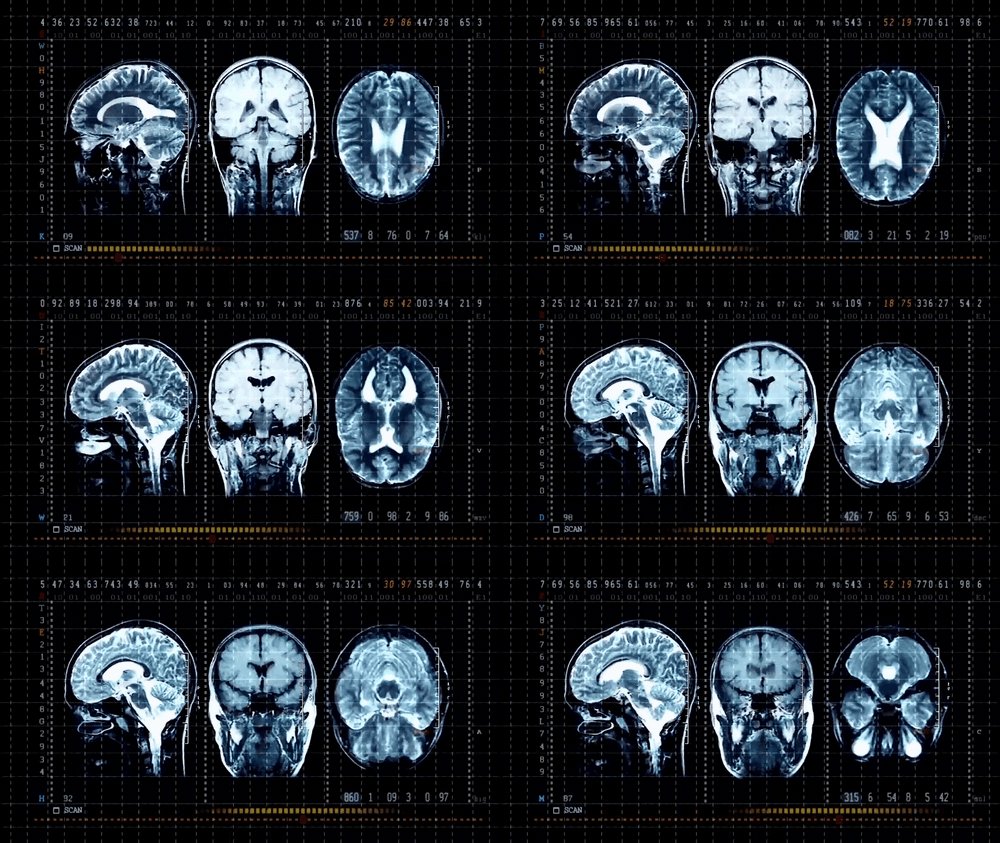
For neuroimaging applications, copilots assist with stroke assessment by rapidly identifying signs of intracranial hemorrhage or ischemic changes, tumor detection through pattern analysis of brain tissue, and trauma evaluation by highlighting fractures or hemorrhages that require immediate attention. A mri radiologist working with copilot assistance can process complex cases more efficiently while maintaining diagnostic accuracy.
In musculoskeletal imaging, the technology supports fracture detection across all anatomical regions, arthritis progression monitoring through automated joint space measurements, and sports medicine applications where precise injury assessment determines treatment protocols. The system's ability to compare current images with prior studies helps track healing progress and treatment effectiveness.
Mammography represents one of the most mature applications for radiology copilots, where systems assist with breast cancer screening, automated breast density assessment, and callback reduction through improved first-read accuracy. These capabilities are particularly valuable for imaging centers handling high-volume screening programs.

Emergency radiology benefits significantly from copilot technology through critical finding alerts, automated triage support, and enhanced after-hours coverage. When radiologists provide services from different location settings or during off-hours, the copilot ensures consistent quality and rapid identification of urgent findings.
Pediatric radiology presents unique challenges that copilots address through specialized algorithms trained to recognize age-appropriate normal variants and developmental assessments. A pediatric radiologist can leverage these tools to ensure accurate interpretation while considering the specific anatomical and pathological patterns relevant to younger patients.
Benefits for Imaging Centers and Radiologists
The implementation of radiology copilots delivers measurable improvements across multiple operational and clinical metrics. Imaging centers typically observe reduced interpretation time per study while maintaining or improving diagnostic accuracy, creating a win-win scenario for both efficiency and patient care quality.
Enhanced detection capabilities represent a critical advantage, as copilots help identify subtle findings that might be overlooked during high-volume reading sessions. The technology's pattern recognition algorithms, trained on vast datasets of medical images, can detect early-stage pathologies or rare conditions that require specialized knowledge to identify.
Standardized reporting quality across different radiologists and shifts ensures consistent patient care regardless of staffing variations. This standardization proves particularly valuable for large imaging centers or hospital systems where multiple radiologists interpret similar case types. The copilot helps maintain uniform reporting standards and reduces variability in diagnostic language and completeness.
Decreased callback rates through improved first-read accuracy benefit both patients and imaging centers by reducing anxiety and operational costs associated with repeat examinations. When the initial interpretation captures all relevant findings, patients receive faster, more definitive care while imaging centers optimize resource utilization.
Operational Improvements
The operational improvements from radiology copilot implementation extend throughout the entire imaging center ecosystem. Faster turnaround times for routine studies improve patient satisfaction and referring physician relationships, creating competitive advantages in crowded healthcare markets.
Reduced need for second opinions on standard cases allows imaging centers to allocate specialist expertise more efficiently. Sub specialist radiologists can focus on complex cases requiring their specific knowledge while routine studies receive high-quality automated support.
Enhanced coverage during peak hours and staff shortages addresses one of the most persistent challenges in radiology practice. The copilot provides consistent support regardless of staffing levels, helping maintain service quality during high-demand periods or when covering other locations.
Research applications benefit significantly from copilot technology, as the systems can automatically extract quantitative measurements and standardized findings that support clinical trials and outcome studies. This capability enhances the research potential of imaging centers while contributing to medical knowledge advancement.
Buyer's Guide: Evaluating Radiology AI Copilots
Selecting the right radiology copilot requires careful evaluation across multiple technical, clinical, and operational criteria. The following table provides a comprehensive framework for assessment:
| Evaluation Criteria | Key Questions | Critical Considerations |
|---|---|---|
| FDA Clearance Status | What specific indications are cleared for clinical use? | Only FDA-cleared systems should be considered for diagnostic applications |
| PACS Integration | How seamlessly does the system integrate with existing infrastructure? | Look for native DICOM support and minimal workflow disruption |
| Specialty Coverage | Which imaging modalities and anatomical regions are supported? | Ensure coverage matches your practice's primary case mix |
| Accuracy Metrics | What validation studies demonstrate clinical performance? | Seek peer-reviewed publications and real-world outcomes data |
| User Interface Design | How intuitive is the system for daily radiologist use? | Test with actual users during evaluation periods |
| Training Requirements | What education and competency programs are provided? | Comprehensive training reduces implementation time and user resistance |
| Support Services | What ongoing technical and clinical support is available? | 24/7 support crucial for mission-critical radiology operations |
| Total Cost of Ownership | What are all costs including licensing, hardware, and maintenance? | Consider both upfront and ongoing expenses over 3-5 years |
Technical requirements assessment should include hardware needs, network bandwidth capabilities, and data storage requirements. Modern copilots often require significant computational resources, particularly for real-time processing of high-resolution medical images. Ensure your IT infrastructure can support the system's demands without compromising performance.
Vendor stability and track record in healthcare AI development provide important risk mitigation factors. Evaluate the company's financial stability, regulatory compliance history, and commitment to ongoing algorithm development and validation.
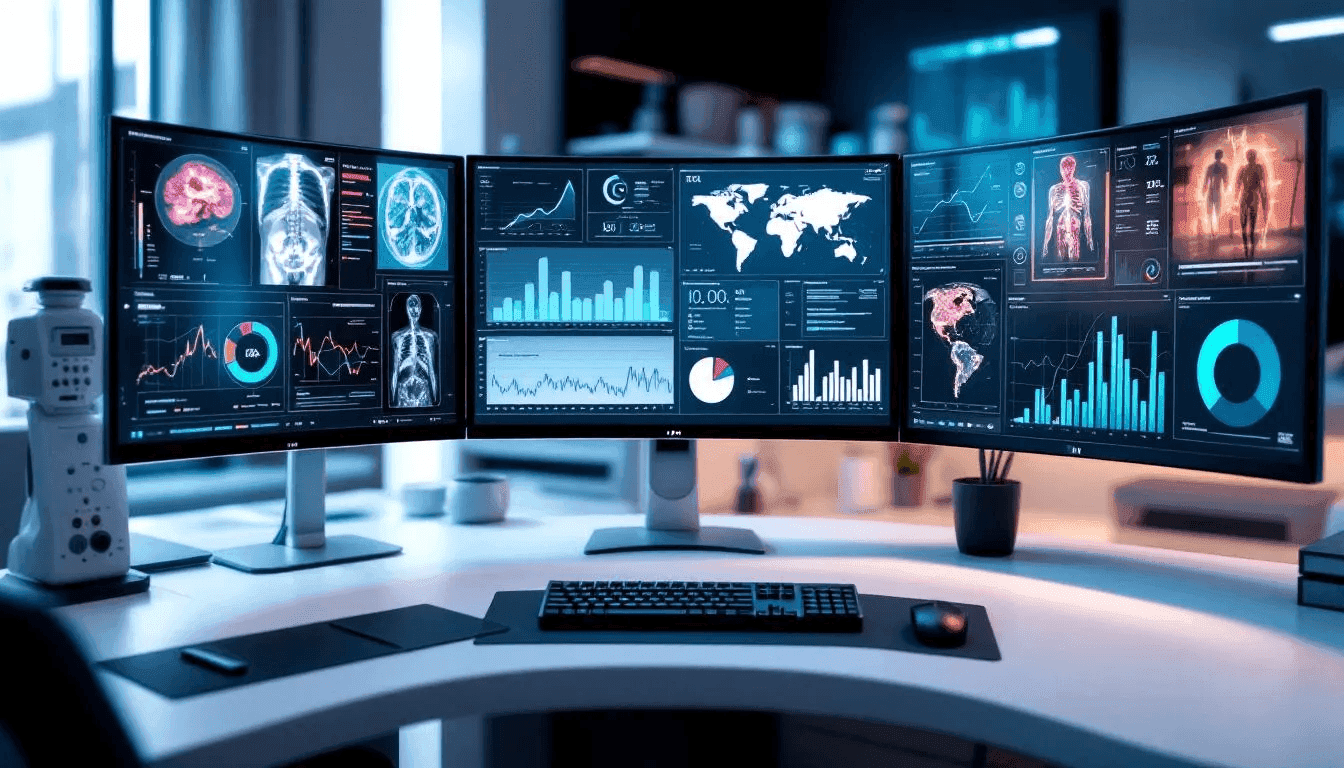
Clinical validation studies and peer-reviewed publications offer the strongest evidence for system effectiveness. Look for studies conducted in settings similar to your practice, with patient populations and case mixes that match your typical workload.
Reference sites and customer testimonials from similar imaging centers provide practical insights into real-world implementation challenges and benefits. Speaking directly with current users often reveals operational considerations not apparent in marketing materials.
Implementation Playbook
Successful radiology copilot implementation requires systematic planning and phased execution to ensure smooth adoption and optimal outcomes. The following playbook provides a structured approach based on best practices from successful deployments.
Pilot Scope Definition
Begin with a focused pilot program targeting 2-3 imaging modalities where the copilot offers the strongest value proposition. Select modalities with high case volumes and clear use cases, such as chest imaging for pneumonia detection or mammography for breast cancer screening. Choose 3-5 radiologists who demonstrate enthusiasm for new technology and can serve as champions during broader deployment.
The pilot scope should represent approximately 20-30% of total case volume to generate meaningful data while minimizing risk. Focus on specific use cases where success can be clearly measured, such as emergency radiology critical finding detection or routine screening interpretation acceleration.
Baseline Metrics Establishment
Document current performance across key operational and clinical metrics before implementation. Capture average interpretation times by modality and case complexity, current turnaround times from image acquisition to final report, and radiologist satisfaction scores through standardized surveys.
Clinical quality metrics should include peer review findings, callback rates for screening studies, and critical finding detection rates. These baseline measurements provide the foundation for demonstrating copilot value and guiding optimization efforts.
Establish data collection protocols that will continue throughout the pilot period and beyond. Automated metrics collection through existing quality assurance systems reduces administrative burden while ensuring consistent measurement approaches.
Go-Live Strategy
Plan a phased rollout over 30-60 days with gradual feature activation to allow users to adapt progressively to new capabilities. Begin with basic decision support features before introducing advanced automation tools like automated impression generation or complex measurement algorithms.
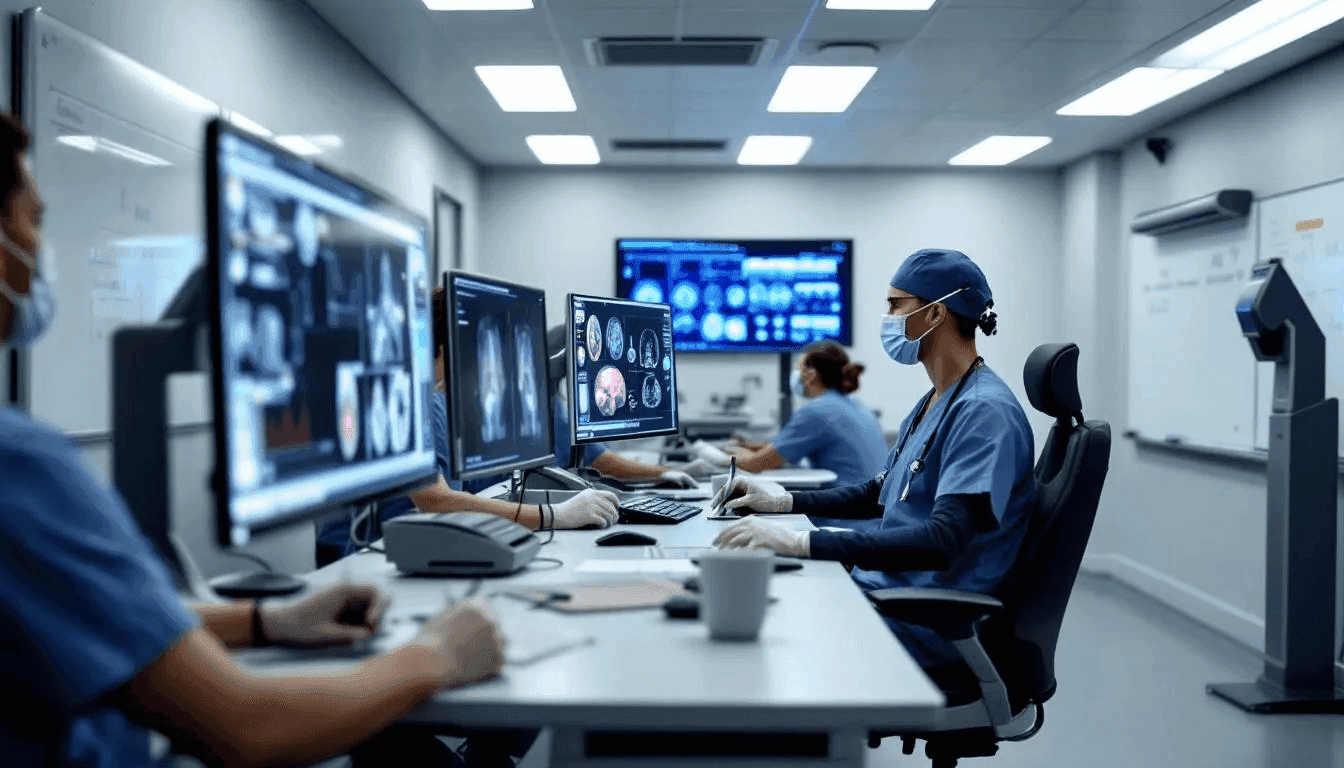
Provide side-by-side operation during initial weeks, where radiologists continue their normal workflow while reviewing copilot suggestions without relying on them for final decisions. This approach builds confidence while allowing users to understand system capabilities and limitations.
Schedule regular check-ins during the first month to address technical issues, workflow challenges, and user feedback. Rapid response to problems during go-live demonstrates commitment to success and maintains user engagement.
Training Program
Develop a comprehensive 4-hour initial training program covering system operation, clinical applications, and appropriate use guidelines. Include hands-on practice with representative cases and scenarios that match typical workflow patterns.
Ongoing competency assessments ensure sustained proficiency and identify areas where additional training might be beneficial. Peer mentoring programs pair experienced users with newer adopters to accelerate learning and address practical questions that arise during daily use.
Create quick reference guides and workflow aids that radiologists can access during normal operations. These materials should address common questions and provide step-by-step guidance for key functions.
Success Criteria
Establish clear, measurable success criteria that align with organizational goals and user expectations. Target metrics might include 15% improvement in reading speed for routine cases, maintained or improved diagnostic accuracy as measured by peer review, and achievement of 85% user satisfaction scores.
Quality metrics should demonstrate that efficiency gains don't compromise diagnostic accuracy. Track critical finding detection rates, report completeness scores, and any changes in callback or revision rates.
Monitor these metrics over sustained periods to ensure improvements are maintained rather than representing temporary training effects. Plan for quarterly reviews to assess progress and identify areas for optimization.
Technical Implementation Steps
IT infrastructure assessment should identify any hardware upgrades, network improvements, or security modifications required to support the copilot system. Many systems require high-performance computing resources and fast network connections to provide real-time assistance.
PACS integration testing validates that the copilot works seamlessly with existing systems without disrupting normal operations. Conduct thorough testing during off-peak hours to identify and resolve any compatibility issues before go-live.
Data migration planning ensures that historical images and reports remain accessible and that new copilot-generated data integrates properly with existing archives. Establish backup protocols to protect against data loss during implementation.
User access management and security configuration maintain hipaa compliant operations while providing appropriate access levels for different user types. Implement role-based access controls that align with organizational policies and regulatory requirements.
Quality Assurance and Compliance
Maintaining high standards for quality assurance and regulatory compliance remains paramount when implementing radiology copilot technology. Continuous performance monitoring ensures that AI algorithms maintain their accuracy over time and adapt appropriately to changing case mixes or practice patterns.
Regular calibration against gold standard interpretations helps identify potential algorithm drift or performance degradation. Establish protocols for periodic validation studies using expert consensus or proven reference standards to verify ongoing accuracy.
Documentation requirements for AI-assisted diagnoses must comply with regulatory standards and institutional policies. Maintain clear records of when and how copilot recommendations influenced final interpretations, supporting both quality assurance and potential liability protection.
Audit trail maintenance provides comprehensive tracking of all AI-generated suggestions, user interactions, and final decisions. These records support regulatory compliance, quality improvement initiatives, and potential research applications.
Quality metrics tracking should encompass both technical performance measures and clinical outcomes. Monitor algorithm accuracy, user satisfaction, workflow efficiency, and patient care impacts to ensure the copilot continues delivering value.
Integration with existing quality assurance programs ensures that copilot-assisted cases receive appropriate oversight without creating parallel review processes. Leverage existing peer review systems and quality committees to monitor AI-assisted interpretations alongside traditional cases.
Frequently Asked Questions
How does a radiology copilot differ from traditional CAD systems?
Traditional Computer-Aided Detection (CAD) systems typically focus on specific pathologies within single imaging modalities, providing simple alerts or markings. Radiology copilots offer comprehensive workflow support across multiple modalities, integrating pattern recognition, natural language processing, and workflow automation into a unified platform that assists throughout the entire interpretation process.
What happens if the AI makes an incorrect suggestion?
Radiologists always maintain final authority over diagnoses and treatment recommendations. Copilots provide decision support and suggestions, but the human expert reviews all AI-generated content before finalizing reports. Incorrect suggestions serve as learning opportunities to improve algorithm performance through feedback mechanisms built into most systems.
How long does it take to train radiologists on copilot systems?
Most radiologists achieve basic proficiency within 4-8 hours of structured training, with full optimization typically occurring over 2-4 weeks of regular use. The intuitive design of modern copilot interfaces minimizes learning curves, particularly for radiologists already comfortable with digital imaging workflows.
Can copilots work with our existing PACS and workflow?
Modern radiology copilots are designed for seamless integration with standard PACS systems and DICOM workflows. Most vendors provide integration specialists who work with your IT team to ensure compatibility and minimize workflow disruption during implementation.
What are the liability implications of using AI assistance?
Legal responsibility remains with the interpreting radiologist, as copilots function as decision support tools rather than independent diagnostic systems. Many malpractice insurers recognize AI assistance as a quality improvement measure that may actually reduce liability exposure through enhanced accuracy and documentation.
How do we measure ROI from radiology copilot implementation?
ROI measurement should encompass both direct cost savings from improved efficiency and indirect benefits like enhanced quality and radiologist satisfaction. Track metrics including reduced interpretation times, decreased need for additional consultations, improved patient satisfaction scores, and radiologist retention rates.
What ongoing maintenance and updates are required?
Vendors typically provide automatic algorithm updates and performance monitoring as part of service agreements. Internal requirements usually involve basic system monitoring, user feedback collection, and periodic review of performance metrics to ensure optimal operation.
How does the system handle rare or unusual cases?
Copilots are trained to recognize when cases fall outside their training data or confidence thresholds. In these situations, the system typically provides limited or no suggestions while flagging the case for careful human review. This conservative approach helps prevent inappropriate AI influence on complex or unusual presentations.
Future of Radiology Copilots
The evolution of radiology copilots promises even greater integration with comprehensive patient care systems. Future developments will likely include deeper integration with electronic health records, allowing AI systems to consider laboratory results, clinical notes, and patient history alongside imaging findings for more comprehensive diagnostic support.
Multi-modal AI combining imaging with laboratory and clinical data represents the next frontier in diagnostic assistance. These advanced systems will correlate imaging findings with biomarkers, genetic information, and clinical presentations to provide more accurate and personalized diagnostic recommendations.
Predictive analytics capabilities will extend beyond current-state diagnosis to forecast disease progression and treatment response. Copilots may soon help clinicians anticipate how conditions will evolve and which interventions are most likely to succeed based on imaging patterns and patient characteristics.
Voice-activated reporting and hands-free operation capabilities will further streamline radiologist workflows, allowing natural language interaction with AI systems while maintaining focus on image interpretation. Advanced visualization tools and 3D rendering integration will provide enhanced ways to explore complex anatomical structures and pathological processes.
Personalized AI models adapted to individual radiologist preferences and practice patterns represent an exciting frontier. These systems will learn from each user's diagnostic approaches and communication styles, providing increasingly tailored assistance that complements rather than standardizes clinical decision-making.
The expansion to support providers in rural areas and underserved regions will democratize access to expert-level diagnostic assistance. Teleradiology services enhanced by copilot technology can help ensure that patients in any location receive high-quality imaging interpretation regardless of local specialist availability.
Conclusion
Radiology copilots represent a transformative approach to modern medical imaging, enhancing radiologist capabilities while addressing the mounting pressures of increasing case volumes and complexity. These AI-powered partners provide intelligent decision support that accelerates workflows, improves diagnostic accuracy, and reduces administrative burdens without replacing the essential human expertise that defines excellent patient care.
The successful implementation of radiology copilot technology requires careful planning, systematic evaluation, and commitment to ongoing quality assurance. Organizations that embrace this technology thoughtfully will find themselves better positioned to deliver exceptional radiology services while supporting radiologist satisfaction and professional growth.
As artificial intelligence continues advancing, the partnership between human expertise and AI assistance will become increasingly sophisticated, ultimately improving patient outcomes while making radiology practice more efficient and rewarding for healthcare providers.
Ready to explore how a radiology copilot could transform your imaging center's workflows? Download our comprehensive Radiology Copilot Evaluation Worksheet to assess your specific needs and requirements. Schedule a personalized demo with our AI workflow experts to see these technologies in action and discuss implementation strategies tailored to your organization's goals. Contact our implementation consultants today for a detailed ROI analysis and discover how copilot technology can enhance your radiology services.