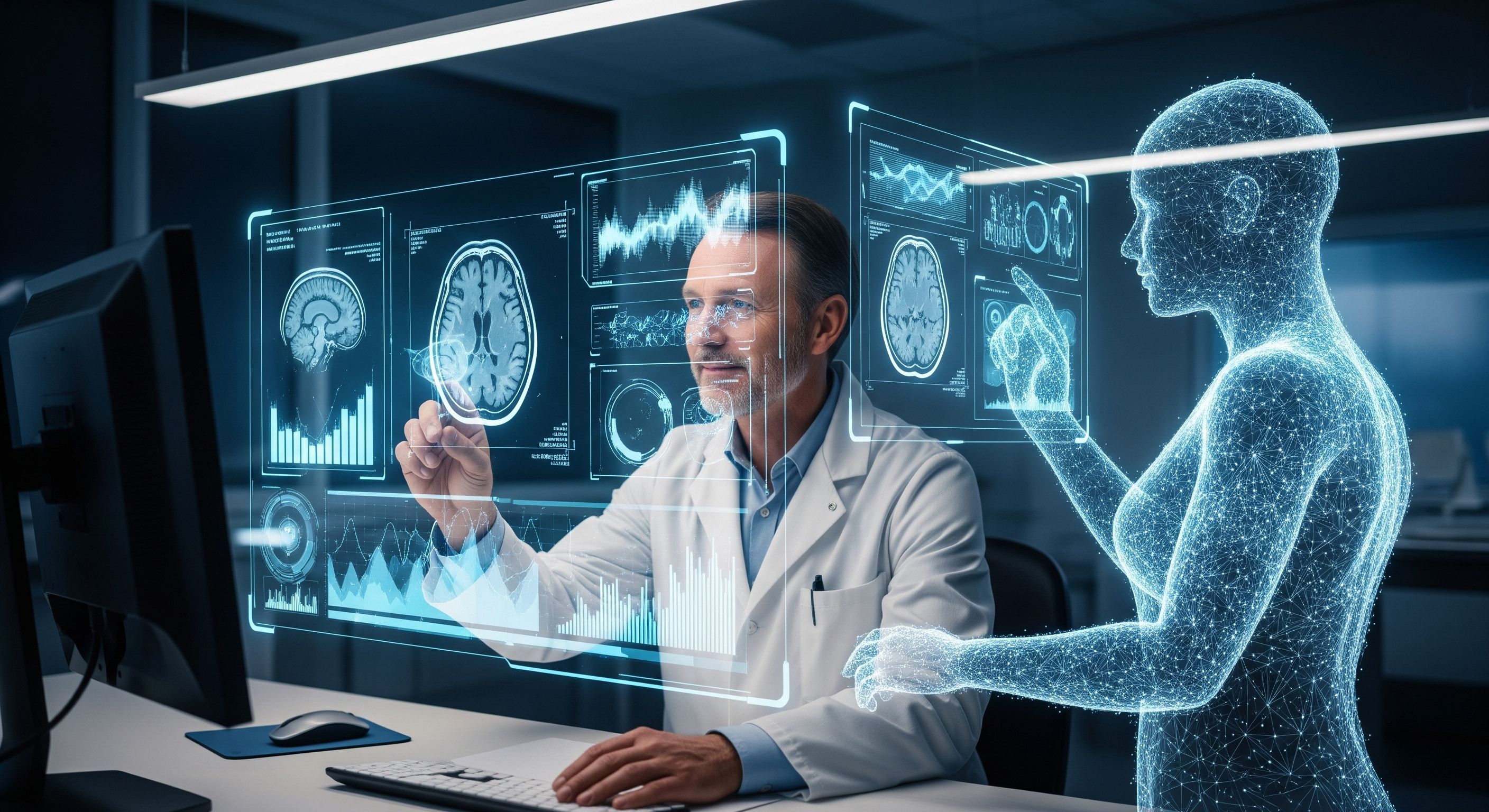
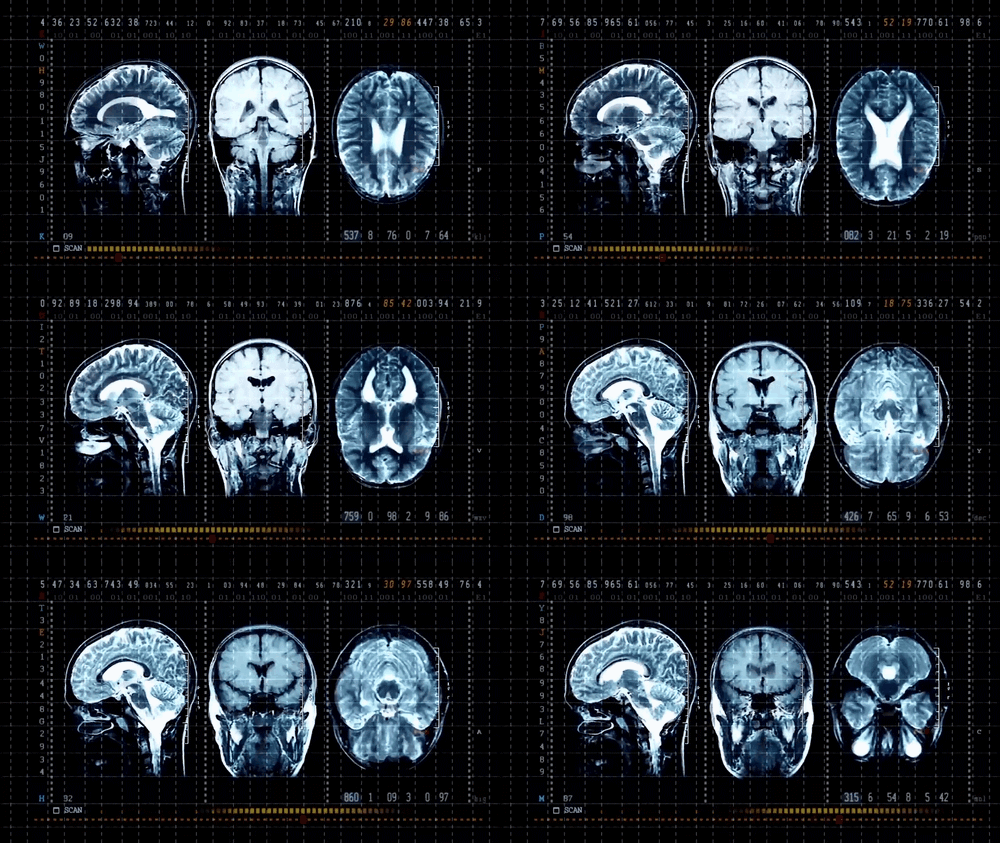
AI in Healthcare: Transforming Medicine Through Innovation
Reviewed by board-certified radiologists

Healthcare stands at the precipice of a technological revolution that promises to reshape how we diagnose, treat, and manage patient care. Artificial intelligence in healthcare has evolved from experimental concepts to practical solutions that are already saving lives and improving health outcomes across the globe. With the AI healthcare market projected to grow from $11 billion in 2021 to $187 billion by 2030, healthcare organizations worldwide are recognizing the transformative potential of these technologies.
The integration of AI systems into clinical practice represents more than just technological advancement—it signifies a fundamental shift toward more precise, predictive, and personalized medicine. From AI tools that can detect diseases earlier than human specialists to AI algorithms that optimize treatment plans based on individual patient characteristics, artificial intelligence is revolutionizing every aspect of healthcare delivery.
This comprehensive exploration examines how AI technology continues to transform medicine, the current applications reshaping clinical workflows, and the strategic considerations healthcare providers must address as they leverage AI to improve patient outcomes and operational efficiency.
Understanding AI in Healthcare
Artificial intelligence in healthcare encompasses the development and deployment of computer systems capable of performing tasks that traditionally require human intelligence, including pattern recognition, decision-making, and complex problem-solving within medical contexts. These AI systems analyze vast amounts of electronic health data to identify patterns that might escape human detection, leading to more accurate diagnoses and treatment recommendations.
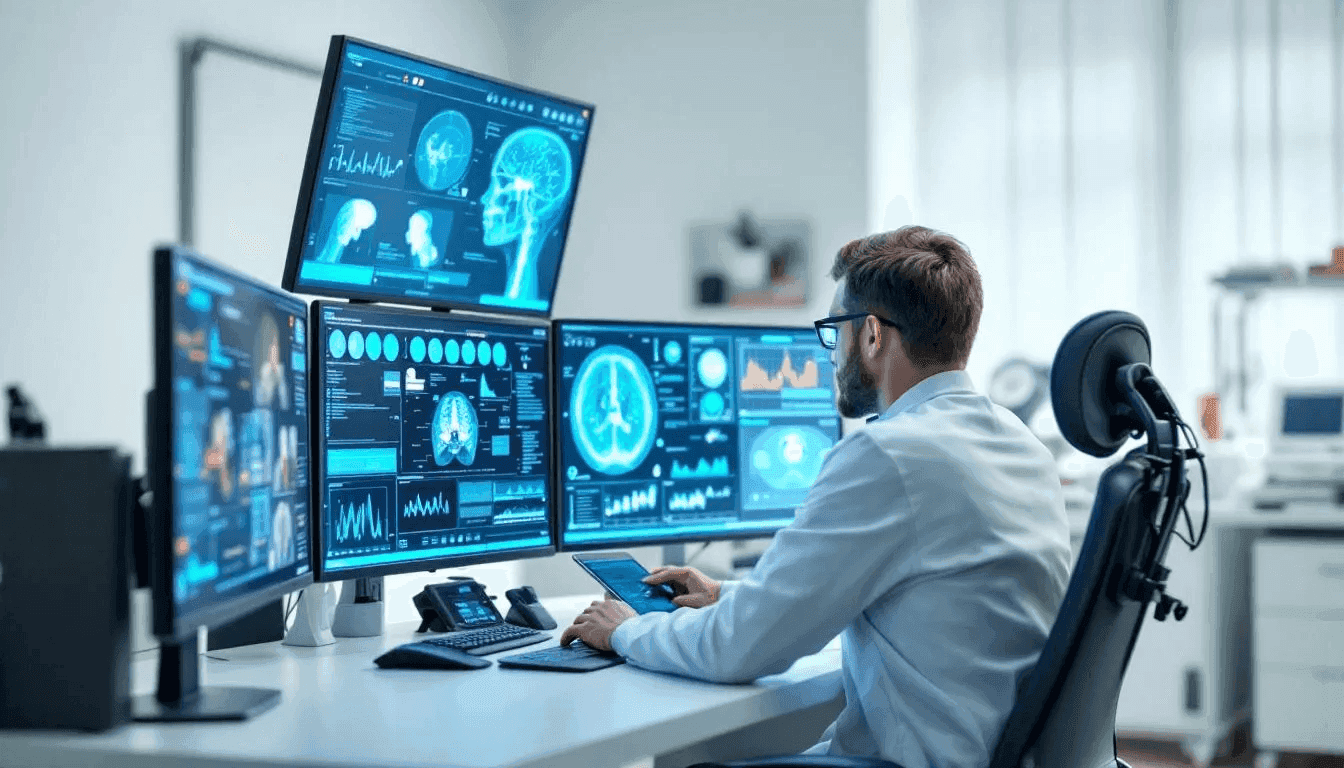
The foundation of AI in healthcare rests on several core technologies. Machine learning algorithms process enormous datasets from electronic health records, medical images, and genomic information to detect subtle patterns and make predictions about patient outcomes. Deep learning, a sophisticated subset of machine learning, excels at analyzing complex medical images such as CT scans, MRIs, and pathology slides, often achieving accuracy rates that match or exceed human specialists.
Natural language processing enables AI tools to extract meaningful insights from unstructured clinical notes, medical literature, and patient communications. This technology allows healthcare systems to transform the wealth of text-based medical data into actionable intelligence that supports clinical decision making.
The evolution from traditional rule-based expert systems to modern AI technologies represents a quantum leap in capability. Early systems relied on predetermined rules programmed by experts, while today's AI systems learn from experience and continuously improve their performance. This transition gained momentum with key milestones such as IBM Watson's early healthcare applications in 2011, which demonstrated the potential for AI to process vast amounts of medical literature and provide evidence-based treatment recommendations.
Healthcare professionals increasingly recognize that these AI technologies don't replace human expertise but rather augment clinical reasoning and enhance the quality of patient care. The most successful implementations combine the pattern recognition capabilities of AI with the critical thinking, empathy, and contextual understanding that only human healthcare providers can offer.
Current AI Applications Revolutionizing Healthcare
Medical Imaging and Diagnostics
The transformation of medical imaging through artificial intelligence represents one of the most visible and impactful applications in modern healthcare. AI systems now routinely analyze medical images with unprecedented speed and accuracy, fundamentally changing how healthcare professionals approach disease diagnosis and treatment planning.
In radiology, AI algorithms demonstrate remarkable capabilities in detecting abnormalities across various imaging modalities. These systems can identify early-stage cancers, assess disease progression, and prioritize urgent cases for immediate attention. The technology has proven particularly effective in mammography screening, where AI tools consistently achieve detection rates that exceed those of individual radiologists while significantly reducing false positives.
The FDA's approval of IDx-DR for diabetic retinopathy screening in 2018 marked a watershed moment for AI in medical diagnosis. This was the first AI system authorized to provide screening decisions without requiring interpretation by a clinician, demonstrating the maturity and reliability of AI diagnostic capabilities. The system analyzes retinal photographs to detect diabetic retinopathy, a leading cause of blindness, enabling early intervention that can preserve vision.
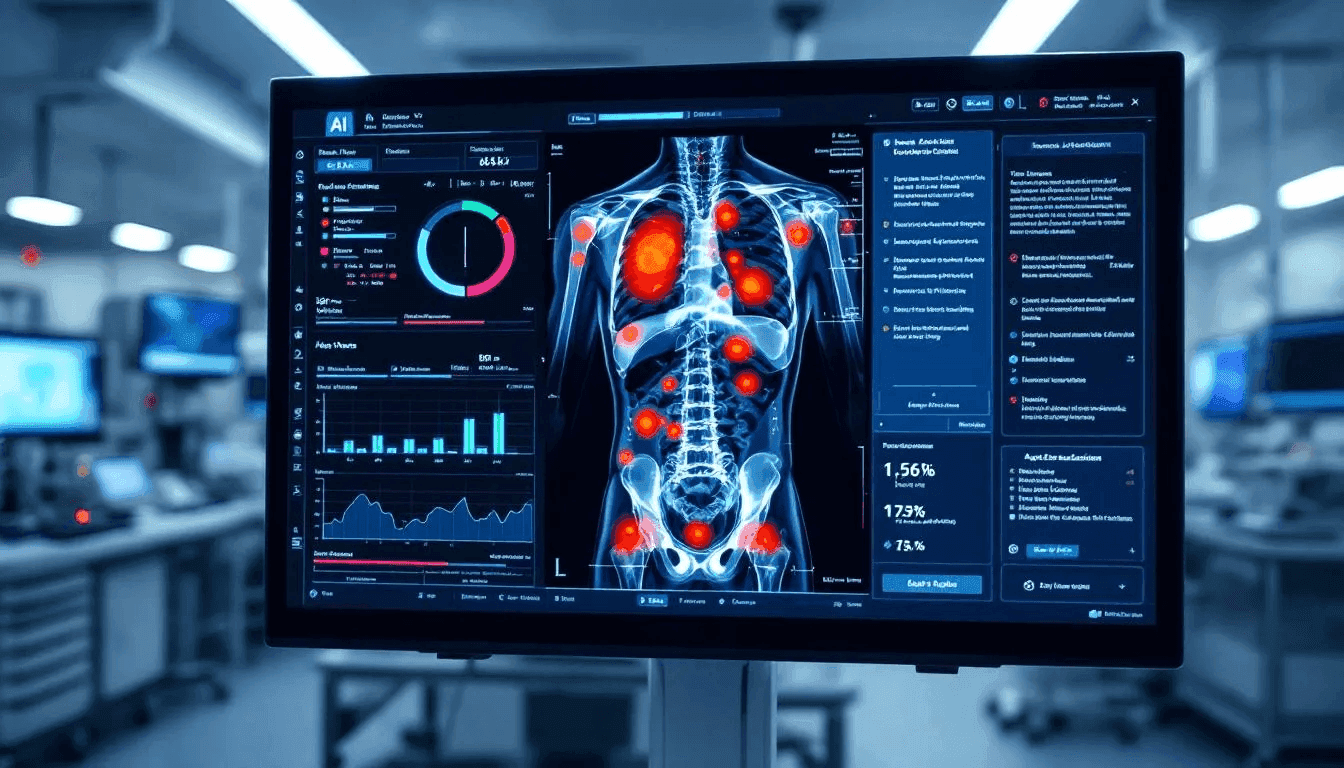
Pathology represents another frontier where AI is making substantial contributions to patient care. Digital pathology systems powered by AI can analyze tissue samples at the cellular level, identifying cancerous cells and determining tumor characteristics with remarkable precision. The NHS has invested heavily in initiatives like Virtual Pathology and the National Pathology Imaging Co-operative, recognizing the potential for AI to address workforce shortages while improving diagnostic accuracy.
Statistical evidence supports the transformative impact of these technologies. Studies demonstrate that AI-assisted radiology can improve diagnostic accuracy by 5-15% compared to human interpretation alone, while reducing reading times by 30-50% for certain types of examinations. This enhanced efficiency allows healthcare institutions to process larger volumes of imaging studies while maintaining high standards of accuracy.
Clinical Decision Support and Treatment Planning
AI-powered clinical decision support systems represent a paradigm shift in how healthcare professionals approach treatment planning and patient management. These sophisticated AI tools integrate seamlessly with electronic health records to provide real-time guidance based on comprehensive analysis of patient-specific data, medical history, and current best practices.
The application of AI in precision medicine exemplifies this technology's potential to personalize healthcare. By analyzing genomic data alongside clinical information, AI systems can predict how individual patients will respond to specific treatments, enabling healthcare providers to select optimal therapeutic approaches from the outset. This personalized approach reduces trial-and-error prescribing and minimizes adverse drug reactions while maximizing treatment effectiveness.
Radiotherapy planning has been revolutionized by AI technologies such as Microsoft's InnerEye, which automatically segments tumors and organs at risk in medical images. This AI tool significantly reduces the time required for treatment planning while improving the precision of radiation delivery, ultimately leading to better patient outcomes and reduced side effects.
The integration of AI into clinical workflows extends beyond individual treatment decisions to encompass population-level insights. AI algorithms can analyze patterns across large patient populations to identify optimal treatment protocols, predict disease outbreaks, and support population health management initiatives. This capability proves particularly valuable for health systems managing chronic diseases like diabetes, cardiovascular disease, and mental health conditions.
Healthcare organizations implementing these AI solutions report substantial improvements in clinical outcomes and operational efficiency. The technology enables more consistent application of evidence-based guidelines while reducing the cognitive burden on healthcare professionals, allowing them to focus on complex cases that require human judgment and interpersonal skills.
Administrative Automation and Workflow Optimization
The administrative burden in healthcare has long been a source of frustration for healthcare professionals and a significant driver of costs for healthcare organizations. AI technology offers unprecedented opportunities to streamline these processes, allowing healthcare providers to redirect their focus from paperwork to patient care.
Natural language processing has transformed clinical documentation through ambient listening technologies that automatically generate clinical notes during patient encounters. These AI systems capture conversations between healthcare providers and patients, extracting relevant clinical information and formatting it into structured documentation that integrates directly with electronic health records. This technology can reduce documentation time by up to 70%, giving healthcare professionals more time for direct patient interaction.

Claims processing and prior authorization represent additional areas where AI is driving significant improvements. AI algorithms can review medical documentation, verify coverage requirements, and expedite approval processes that traditionally required manual review. This automation reduces processing times from days to hours while minimizing errors that could delay patient care or result in claim denials.
Virtual assistants and chatbots powered by AI are enhancing patient engagement by providing 24/7 access to health information and basic medical guidance. These AI tools can schedule appointments, answer common health questions, provide medication reminders, and conduct initial symptom assessments. The World Health Organization has recognized the potential of these technologies to extend healthcare access, particularly in underserved regions where healthcare professionals may be scarce.
The efficiency gains from administrative automation are substantial. Healthcare organizations implementing comprehensive AI-driven administrative solutions report cost reductions of 20-30% in administrative overhead while simultaneously improving patient satisfaction through faster service delivery and reduced waiting times.
Transformative Benefits of AI in Healthcare
The integration of artificial intelligence into healthcare delivery generates benefits that extend far beyond simple automation or efficiency improvements. These technologies are fundamentally reshaping the healthcare landscape, creating new possibilities for prevention, diagnosis, treatment, and population health management.
Enhanced diagnostic accuracy represents one of the most significant contributions of AI to patient care. Early disease detection capabilities powered by AI systems enable interventions at stages when treatments are most effective and least invasive. For example, Google DeepMind's AI system for detecting eye diseases can identify over 50 different conditions from retinal scans, often before patients experience symptoms. This early detection capability can prevent vision loss and reduce the long-term costs associated with advanced disease management.
Personalized treatment recommendations generated by AI algorithms consider individual patient characteristics, including genetic profiles, medical history, lifestyle factors, and treatment responses. This precision medicine approach leads to better patient outcomes by selecting therapies most likely to succeed for each individual while avoiding treatments that may be ineffective or cause adverse reactions.
The economic impact of AI in healthcare extends beyond individual patient benefits to system-wide cost reductions. AI-driven predictive analytics help healthcare organizations optimize resource allocation, reduce unnecessary procedures, and prevent costly complications through early intervention. Hospitals implementing comprehensive AI solutions report reductions in readmission rates, shorter lengths of stay, and more efficient use of medical staff.

Drug discovery represents another area where AI is accelerating progress while reducing costs. Traditional pharmaceutical development can take 10-15 years and cost billions of dollars. AI technologies are compressing these timelines by identifying promising drug candidates more rapidly, predicting potential side effects earlier in the development process, and optimizing clinical trial design. This acceleration in drug discovery timelines brings life-saving treatments to patients faster while reducing the overall cost of pharmaceutical development.
Workforce optimization through AI tools addresses one of healthcare's most pressing challenges: the shortage of qualified healthcare professionals. By automating routine tasks and providing decision support for complex cases, AI technologies enable existing staff to work more efficiently and effectively. This enhanced productivity helps healthcare organizations maintain quality care despite staffing constraints while creating opportunities for healthcare professionals to focus on high-value activities that require human expertise.
Market projections reflect the growing recognition of AI's value in healthcare. The artificial intelligence healthcare market's projected growth from $11 billion in 2021 to $187 billion in 2030 demonstrates the confidence that healthcare organizations, investors, and technology companies have in these solutions' potential to transform medical practice.
Emerging AI Technologies and Future Applications
Drug Discovery and Development
The pharmaceutical industry faces unprecedented challenges in bringing new treatments to market, with traditional drug discovery processes requiring decades of research and billions of dollars in investment. Artificial intelligence is revolutionizing this landscape by accelerating every phase of pharmaceutical development, from initial compound identification to clinical trial optimization.
AI algorithms excel at analyzing vast molecular databases to identify potential drug candidates that might have been overlooked by traditional screening methods. These systems can predict how different compounds will interact with target proteins, assess potential side effects, and estimate efficacy before expensive laboratory testing begins. This computational approach dramatically reduces the number of compounds that need physical testing while increasing the likelihood of success for those that advance to clinical trials.
DeepMind's AlphaFold represents a breakthrough in AI-driven scientific discovery, solving the decades-old problem of protein structure prediction. This AI system can determine the three-dimensional structure of proteins from their amino acid sequences, providing crucial insights for drug design and development. The implications for pharmaceutical research are profound, as understanding protein structures enables more precise targeting of disease mechanisms and accelerates the development of novel therapeutics.
Clinical trial design and patient recruitment have been transformed by AI technologies that can identify optimal patient populations, predict trial outcomes, and detect safety signals earlier in the development process. AI algorithms analyze electronic health records to identify patients who meet specific trial criteria, reducing recruitment times from months to weeks. These systems also monitor trial data in real-time to identify potential safety concerns or efficacy signals that might require protocol modifications.
Synthetic biology applications powered by AI are opening entirely new avenues for therapeutic development. AI systems can design novel biological pathways, optimize gene therapy approaches, and predict the behavior of engineered biological systems. This capability is particularly relevant for developing personalized therapies based on individual genetic profiles or creating treatments for rare diseases where traditional approaches have been unsuccessful.
Predictive Analytics and Population Health
The shift from reactive to proactive healthcare represents one of the most significant opportunities for improving health outcomes while reducing costs. AI-powered predictive analytics enable healthcare systems to identify health risks before they manifest as acute conditions, allowing for preventive interventions that can dramatically alter disease trajectories.
Population health surveillance has been enhanced by AI systems that can detect disease outbreaks, monitor health trends, and predict resource needs across communities. These technologies proved invaluable during the COVID-19 pandemic, where AI models tracked virus spread, predicted surge capacity needs, and informed public health decisions. The ongoing development of these capabilities positions healthcare systems to respond more effectively to future health emergencies.
Remote patient monitoring through wearable devices and IoT sensors generates continuous streams of health data that AI algorithms can analyze to detect early warning signs of deterioration. These systems monitor vital signs, activity levels, medication compliance, and other health indicators to identify patients at risk of complications. For chronic disease management, this continuous monitoring enables timely interventions that can prevent expensive emergency department visits and hospitalizations.
Mental health applications of AI are expanding rapidly, with systems capable of analyzing speech patterns, facial expressions, and behavioral data to identify signs of depression, anxiety, or other mental health conditions. These AI tools can provide early screening and intervention recommendations, addressing the growing mental health crisis while reducing the burden on mental health professionals.
Hospital readmission prediction represents a practical application where AI delivers immediate value. By analyzing patient data, treatment responses, and social determinants of health, AI systems can identify patients at high risk of readmission within 30 days of discharge. This early identification enables targeted interventions such as enhanced discharge planning, home health services, or medication management support that can prevent costly readmissions.
Ambient Intelligence and Connected Care
The concept of ambient intelligence in healthcare envisions environments that can monitor health status and provide care without requiring active patient participation. This technology represents the next evolution in healthcare delivery, where AI systems seamlessly integrate into daily life to provide continuous health monitoring and support.
Contactless health monitoring technologies use advanced sensors and AI algorithms to track vital signs, detect falls, monitor sleep patterns, and assess general wellness without requiring patients to wear devices or actively engage with technology. These systems are particularly valuable for elderly patients or those with cognitive impairments who may have difficulty using traditional monitoring devices.
The integration of AI across complete care pathways creates opportunities for coordinated, intelligent healthcare delivery. AI systems can track patients from initial symptoms through diagnosis, treatment, and recovery, ensuring continuity of care and identifying opportunities for optimization at each stage. This comprehensive approach enables healthcare systems to provide more personalized and effective care while reducing fragmentation that often leads to suboptimal outcomes.
Digital twin technology represents an emerging frontier where AI creates virtual representations of individual patients based on their unique physiological characteristics, medical history, and genetic profile. These digital twins can be used to test different treatment approaches, predict disease progression, and optimize therapeutic interventions before implementing them in real patients. This personalized modeling approach has the potential to revolutionize precision medicine by enabling truly individualized treatment planning.
Connected care ecosystems powered by AI facilitate seamless communication and coordination among healthcare providers, patients, and caregivers. These systems ensure that relevant health information is available when and where it's needed, reducing medical errors and improving care coordination. Examples like Google Nest health monitoring capabilities demonstrate how consumer technology can be integrated into healthcare delivery to provide valuable health insights while maintaining patient privacy and security.
Challenges and Barriers to AI Adoption
Technical and Data Challenges
Despite the tremendous potential of artificial intelligence in healthcare, significant technical obstacles continue to impede widespread adoption and optimal performance of AI systems. These challenges require careful consideration and strategic planning by healthcare organizations seeking to implement AI solutions effectively.
Data quality issues represent perhaps the most fundamental barrier to successful AI implementation. Healthcare data often contains inconsistencies, missing values, and errors that can significantly impact AI algorithm performance. Electronic health records may lack standardization across different healthcare providers, making it difficult to aggregate data for training robust AI models. Patient information recorded in different formats, using varying terminology, or with incomplete documentation can lead to AI systems that perform well in testing environments but fail to generalize to real-world clinical settings.
Interoperability challenges compound data quality issues by preventing seamless information exchange between different healthcare systems. When healthcare organizations use incompatible electronic health record systems or proprietary data formats, it becomes extremely difficult to create comprehensive datasets necessary for training effective AI algorithms. This fragmentation limits the potential benefits of AI while creating inefficiencies in care coordination and clinical workflows.

AI model validation and generalizability present ongoing technical challenges that healthcare organizations must address to ensure patient safety. Models trained on data from specific populations or healthcare settings may not perform adequately when applied to different patient demographics or clinical environments. This limitation requires extensive testing and validation across diverse populations to ensure that AI systems provide reliable and equitable care for all patients.
Technical infrastructure requirements for AI implementation often exceed the capabilities of many healthcare organizations. AI systems require substantial computational resources, robust data storage solutions, and sophisticated cybersecurity measures to protect sensitive patient information. Healthcare institutions may need significant capital investments to upgrade their technology infrastructure before they can effectively deploy AI solutions.
Integration complexities arise when healthcare organizations attempt to incorporate AI tools into existing clinical workflows and technology systems. Legacy systems may not support modern AI applications, requiring costly upgrades or replacements. Additionally, healthcare professionals may need extensive training to effectively use AI tools, creating additional implementation challenges and costs.
Ethical and Social Considerations
The deployment of AI in healthcare raises profound ethical questions that healthcare organizations must address to maintain public trust and ensure equitable care delivery. These considerations extend beyond technical performance to encompass fundamental issues of fairness, transparency, and human dignity in medical care.
Algorithmic bias represents a critical concern as AI systems may perpetuate or amplify existing disparities in healthcare delivery. Training data that underrepresents certain demographic groups can lead to AI models that perform poorly for these populations, potentially exacerbating health inequities. For example, AI diagnostic tools trained primarily on data from certain ethnic groups may be less accurate when applied to patients from underrepresented populations, leading to misdiagnosis or delayed treatment.
Transparency and explainability challenges arise from the "black box" nature of many AI algorithms, particularly deep learning systems. Healthcare professionals and patients may struggle to understand how AI systems reach specific conclusions or recommendations, making it difficult to trust and validate AI-generated insights. This lack of transparency can complicate clinical decision-making and create liability concerns when AI systems provide incorrect or harmful recommendations.
The importance of maintaining human oversight cannot be overstated in healthcare AI applications. While AI systems can process vast amounts of data and identify patterns that humans might miss, they lack the contextual understanding, empathy, and ethical reasoning that healthcare professionals bring to patient care. Ensuring that AI systems augment rather than replace human clinical judgment requires careful attention to workflow design and decision-making processes.
Patient privacy and data security concerns intensify with AI implementation, as these systems often require access to large amounts of sensitive health information. Patients may be concerned about how their data is used, stored, and protected, particularly when AI systems are developed or operated by technology companies outside the traditional healthcare sector. Healthcare organizations must implement robust privacy protections and transparent data governance policies to maintain patient trust.
Public trust and acceptance issues can significantly impact AI adoption in healthcare. Survey data indicates that while 66% of physicians currently use AI tools in their practice, concerns remain about accuracy, liability, and the appropriate role of AI in clinical decision-making. Patients may be hesitant to accept diagnoses or treatment recommendations generated by AI systems, particularly for serious conditions where human judgment and empathy are highly valued.
Regulatory Framework and Compliance
The regulatory landscape for AI in healthcare continues to evolve as government agencies work to balance innovation with patient safety. Healthcare organizations must navigate complex and sometimes overlapping regulatory requirements while ensuring that their AI implementations meet the highest standards for safety and efficacy.
The FDA has established comprehensive approval processes for AI medical devices and software, recognizing that these technologies require specialized evaluation criteria. The agency has developed a risk-based framework that categorizes AI systems according to their potential impact on patient safety and clinical decision-making. High-risk AI applications, such as those used for diagnostic purposes or treatment recommendations, undergo rigorous clinical testing and validation before receiving approval for clinical use.
The EU AI Act, which became effective in August 2024, establishes specific requirements for high-risk AI systems used in healthcare settings. This legislation mandates comprehensive risk assessment, quality management systems, and ongoing monitoring for AI applications that could significantly impact patient safety or health outcomes. Healthcare organizations operating in European markets must ensure compliance with these requirements while maintaining the flexibility to innovate and improve patient care.
Data protection regulations, including HIPAA in the United States and GDPR in Europe, create additional compliance requirements for healthcare AI systems. These regulations mandate strict controls over how patient data is collected, processed, stored, and shared, requiring healthcare organizations to implement comprehensive data governance frameworks. AI systems that process personal health information must incorporate privacy-by-design principles and provide patients with appropriate control over their data.
The European Medicines Agency (EMA) and other international regulatory bodies are developing specialized guidelines for AI applications in pharmaceutical development and clinical research. These emerging frameworks address unique challenges associated with AI-driven drug discovery, clinical trial design, and regulatory submission processes.
Successful regulatory approval of AI systems provides valuable precedents for future applications. The approval of AI tools for diabetic retinopathy screening, breast cancer detection in mammography, and automated medical image analysis demonstrates that regulatory agencies can effectively evaluate AI technologies while maintaining appropriate safety standards.
Healthcare Workforce Impact and Training
The integration of artificial intelligence into healthcare practice is fundamentally reshaping the roles and responsibilities of healthcare professionals across all disciplines. Rather than replacing human expertise, AI technologies are creating new opportunities for healthcare workers to focus on higher-value activities while enhancing their ability to provide excellent patient care.
Physicians are experiencing perhaps the most significant transformation in their daily practice as AI tools become integral to clinical decision-making. Radiologists now work alongside AI systems that can detect abnormalities and prioritize urgent cases, allowing them to focus on complex interpretations and patient consultation. Primary care physicians use AI-powered diagnostic support tools to enhance their clinical reasoning and ensure comprehensive care delivery.
The need for AI literacy in medical education has become apparent as healthcare institutions recognize that future healthcare professionals must be comfortable working with AI technologies. Medical schools are incorporating AI and data science curricula to prepare students for a healthcare environment where human-AI collaboration is the norm rather than the exception.
Concerns about job displacement have largely given way to recognition that AI enhances rather than replaces healthcare professionals. Studies indicate that AI implementation typically leads to job transformation rather than elimination, with healthcare workers taking on new responsibilities that leverage uniquely human skills such as critical thinking, empathy, and complex problem-solving.

Successful examples of human-AI collaboration demonstrate the potential for these technologies to improve both job satisfaction and patient outcomes. Nurses using AI-powered patient monitoring systems can identify deteriorating patients earlier while spending more time on direct patient care. Pharmacists working with AI medication management systems can focus on complex clinical consultations while ensuring optimal medication therapy outcomes.
Training and support programs for healthcare professionals must address both technical skills and workflow integration. Healthcare organizations are developing comprehensive education programs that teach healthcare workers not only how to use AI tools but also how to interpret AI-generated insights and maintain appropriate clinical oversight.
The transformation of healthcare roles extends beyond clinical practice to include new career opportunities in health informatics, clinical data science, and AI system management. These emerging roles require combinations of healthcare knowledge and technical expertise, creating career pathways for healthcare professionals interested in technology development and implementation.
Statistical evidence suggests that healthcare professionals are increasingly embracing AI technologies when they are properly implemented with adequate training and support. Organizations that invest in comprehensive change management and education programs report higher rates of AI adoption and improved staff satisfaction compared to those that focus solely on technology deployment.
Future Outlook and Strategic Recommendations
The next decade promises unprecedented transformation in healthcare delivery as AI technologies mature and become increasingly integrated into every aspect of medical practice. Healthcare organizations that strategically plan for this transformation will be best positioned to leverage AI for improved patient outcomes and operational excellence.
Projections for AI healthcare adoption indicate that virtually all healthcare organizations will implement some form of AI technology within the next five to ten years. This widespread adoption will be driven by competitive pressures, regulatory requirements, and the demonstrated value of AI in improving care quality while reducing costs. Healthcare systems that delay AI implementation risk falling behind in their ability to attract patients, retain staff, and maintain financial sustainability.
Generative AI and large language models represent emerging trends that will significantly impact healthcare practice. These technologies can assist with clinical documentation, patient education, research synthesis, and even therapeutic communication. As these models become more sophisticated and reliable, they will enable healthcare professionals to access and synthesize medical knowledge more effectively while automating many routine cognitive tasks.
The shift toward preventive, personalized, and precision medicine will accelerate as AI systems become better at predicting disease risk and optimizing treatment approaches for individual patients. This transformation will require healthcare organizations to redesign their care delivery models, moving from episodic treatment of acute conditions to continuous health management and disease prevention.
Healthcare organizations implementing AI should prioritize several key success factors. Data quality and governance must be foundational elements of any AI strategy, as these technologies are only as good as the data they process. Regulatory compliance and ethical considerations should be integrated into AI development and deployment processes from the beginning rather than addressed as afterthoughts.
Workforce training and change management are critical components of successful AI implementation. Healthcare organizations must invest in comprehensive education programs that prepare their staff to work effectively with AI technologies while maintaining the human elements of care that patients value most.
Strategic partnerships with technology companies, academic institutions, and other healthcare organizations can accelerate AI adoption while sharing risks and costs. These collaborations enable healthcare organizations to access cutting-edge technologies and expertise while contributing to the broader development of healthcare AI solutions.
The goal of achieving universal health coverage by 2030, as outlined in the UN Sustainable Development Goals, may be significantly supported by AI technologies that can extend healthcare access to underserved populations and improve the efficiency of healthcare delivery systems worldwide.
Expert predictions suggest that the most successful healthcare organizations will be those that view AI as an enabler of better human care rather than a replacement for human healthcare professionals. This perspective emphasizes the complementary nature of human expertise and artificial intelligence in creating healthcare systems that are more effective, efficient, and compassionate.
Investment priorities should focus on infrastructure development, staff training, and the creation of data governance frameworks that support long-term AI integration. Healthcare organizations should also prioritize patient engagement and communication to ensure that AI implementation enhances rather than diminishes the patient experience.
The long-term impact of AI on healthcare delivery will likely be transformational, enabling healthcare systems to provide more precise, predictive, and personalized care while reducing costs and improving access. However, realizing this potential requires thoughtful planning, substantial investment, and a commitment to maintaining the human-centered values that define excellent healthcare.
Conclusion
Artificial intelligence in healthcare has evolved from promising concept to practical reality, demonstrating remarkable potential to make healthcare more precise, predictive, and personalized. The technology's ability to analyze vast amounts of medical data, identify subtle patterns, and provide evidence-based recommendations is already improving patient outcomes across diverse clinical applications.
The evidence is compelling: AI systems are enhancing diagnostic accuracy, accelerating drug discovery, streamlining administrative processes, and enabling healthcare professionals to focus on the complex human elements of medical care. From the early detection of diseases to the optimization of treatment protocols, artificial intelligence is proving its value in every domain of healthcare delivery.
However, the successful implementation of AI in healthcare requires more than technological sophistication. Healthcare organizations must prioritize data quality, regulatory compliance, workforce training, and ethical considerations to ensure that these powerful technologies serve the best interests of patients and healthcare professionals alike. The goal is not to replace human expertise but to augment it, creating synergies between artificial intelligence and human clinical judgment that neither could achieve alone.
The future success of AI in healthcare depends on continued investment in research and development, infrastructure improvement, and education. Healthcare systems must prepare their workforce for a future where human-AI collaboration is the standard of care, while maintaining the trust, empathy, and ethical reasoning that define excellent medical practice.
As we stand at this transformative moment in healthcare history, the key insight is clear: artificial intelligence should enhance rather than replace the human elements of healthcare. When implemented thoughtfully with appropriate oversight and safeguards, AI technologies can help healthcare professionals provide better care to more people while reducing costs and improving access to medical services.
The organizations that will thrive in this AI-enhanced healthcare landscape are those that embrace these technologies while never losing sight of their fundamental mission: providing compassionate, effective care that improves human health and well-being. The transformation is already underway, and the potential benefits for patients, healthcare professionals, and society as a whole are extraordinary.